
- Details
Young scientists benefit from international exchange
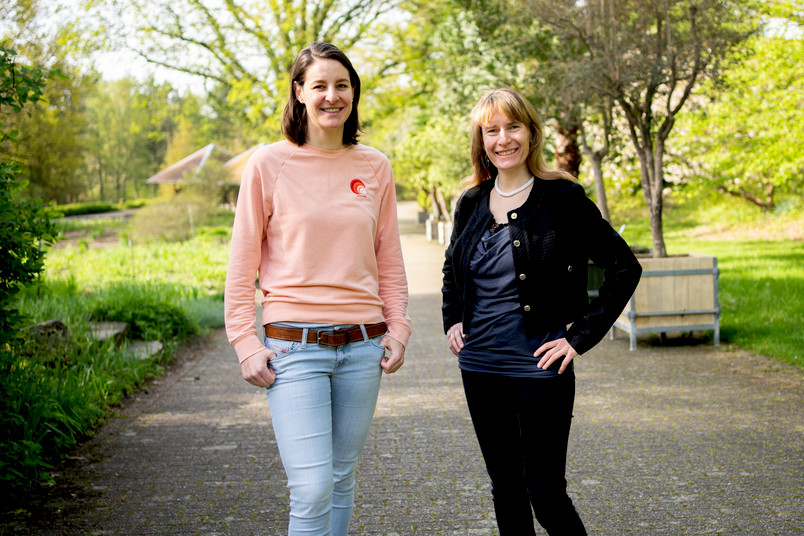
To control plasma-produced carbon monoxide and use its anti-inflammatory effects on wound healing is the aim of a cooperation between Professor Judith Golda from Ruhr University Bochum, Germany, and Professor Claire Douat from Université d’Orléans, France. In six mutual visits their groups experimented together, financed by the German Academic Exchange Service and by Campus France.
Ms. Golda, what would you like to achieve?
Judith Golda: Today plasma is not yet a well-understood, efficient and easy tool in medicine, I would say. We hope that in the future doctors can simply use a plasma-source to cure diseases of the skin.
For which medical applications is plasma already used?
Golda: A few hospitals in Germany are utilizing it for wound healing within clinical studies. Moreover, there are surveys for cancer therapy, sterilisation…
Claire Douat: … the treatment of teeth, skin diseases like psoriasis and acne, for cosmetics and blood coagulation, to avoid or reduce a bleeding.
How exactly does plasma work in wound healing?
Golda: There are different effects. One of them is sterilisation, another blood coagulation. Plasma can also increase the blood flow in the wound. And it can work anti-inflammatory by producing reactive species that resemble natural messenger substances.
In what way do your teams complement each other?
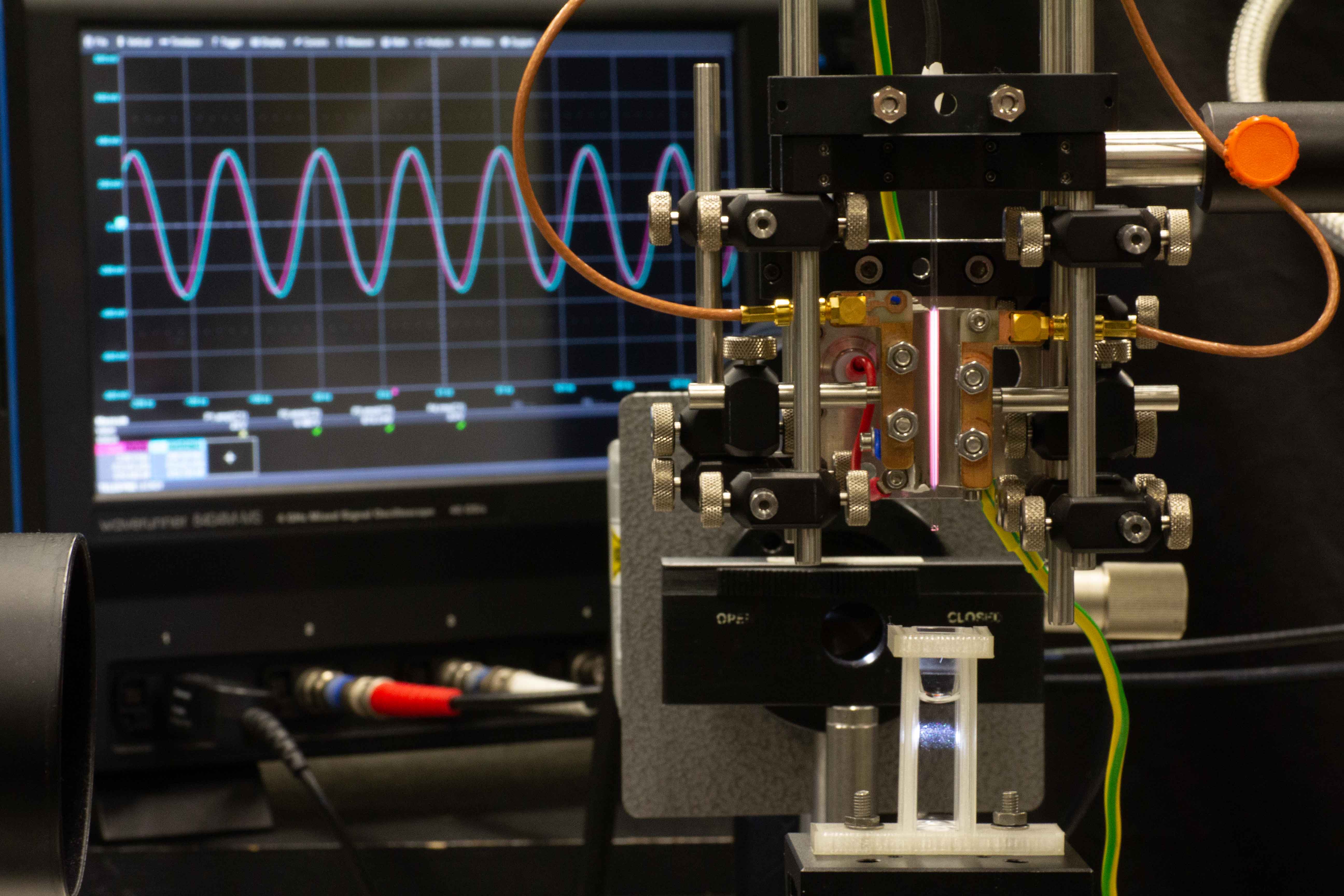
Golda: In France, the plasma source is a little bit different from ours. It produces more charged species in the vicinity of the treated substrate and a different mixture of chemical species, for example. On the one hand, we compare the plasma sources, on the other hand we exchange complementary diagnostics: In Orléans they use optical sensors for measuring the gas density – such as the one for carbon monoxide, in Bochum we employ mass spectrometry.
Why is it difficult to prove the impact of a single plasma component?
Douat: In a plasma there are many chemical reactions happening simultaneously. We have the electric field, reactive oxygen species and the light. So, it is not only difficult to explore but also to control it. At some concentrations those reactive species are beneficial, but at higher ones they can become toxic. In sterilisation or cancer treatment we want this toxicity, but in wound healing we don’t.
Now we have a lot of science to discuss.
– Claire Douat
What is characteristic of the cold atmospheric pressure plasma you use for the treatment of biological substrates?
Golda: Unlike other plasmas it stays cold enough not to harm the skin. The idea is to channel the energy we put in the plasma into the electrons to heat them. In this condition they are able to dissociate molecules and create reactive species while the gas remains close to room temperature. That is this non equilibrium character that everybody is talking of.
Which substrates do you use for your experiments?
Douat: Right now, we are utilizing bacteria. The next step will be on cells and afterwards on animals. But before, we need to make sure that the treatment is safe, for example that the electric current through the biological target is not too high.
What could you find out until now?
Douat: We performed electrical measurement and determined the concentration of some species in the different plasma-sources. For that we have one from Bochum in Orléans and they have one from us in Bochum. In the end, we treated bacteria to see the effects of the two plasma-sources: the bacteria didn’t behave in the same way when treated with diverse plasmas. Which is nice, because now we have a lot of science to discuss and are writing a paper about it.
Internationally, Ruhr University is a very well-known place for plasma research, with leading plasma and modelling experimental physicists.
– Claire Douat
Ms. Douat, what is your impression of Ruhr University?
Douat: I really like being in Bochum. Every time I come here, it’s easy. There is all this infrastructure with the hotel and everything I need in walking distance to university – including supermarkets and even a swimming pool.
From my point of view, when we are every day in the same place, we see things not the way we see them as a visitor. In Bochum they are well organised and there is always room for ease. Also internationally, Ruhr University is a very well-known place for plasma research, with leading plasma and modelling experimental physicists.
It’s fine to be here and to discuss with them. In addition, they have a big pack of experimental setup. I would not say everything, but a lot. When we want to test something, there is always a way to make it possible.
Golda: Also, the mensa has vegan and vegetarian options. One of the French students is vegetarian …
Douat: … and the view is great!
Sometimes it’s really inspiring to be in a new environment like another lab or university to get new ideas.
– Judith Golda
What are the advantages of your cooperation?
Golda: It’s a lot of fun. I like co-operating with Claire and her group. When you are working on a topic on your own, from time to time you get stuck on your ideas. In a cooperation we can discuss the issues and develop new ideas together. Sometimes it’s really inspiring to be in a new environment like another lab or university to get new ideas. In addition, Claire and her team have some expertise we don’t have.
Douat: It’s always fine to discuss and see another point of view. The students also work together and learn from each other. That’s a very good experience for them.
Golda: You really see how they grow. The first time the students go to France they are rather shy and seem kind of lost. The second time it’s like they feel at home there. The relationships between them change a lot and it’s awesome to watch them meeting at the weekend and spending free time together.
Douat: When we come to Bochum or our colleagues visit us in Orléans, it’s a bit like holidays, at least for Judith and me. Not in the sense that we wouldn’t work. We work a lot when we travel. But in that time, we have only one task to do, so we can focus on it. At home, we are busy with so many different things every day. Right now, we enjoy just to be at the laboratory, the whole day working on one project.
adapted from Carina Huber (RUB)
- Details
Plasma Physics for high school students
The project week for high school students is an educational program of the CRC 1316, the Faculty of Physics and Astronomy at the RUB and of zdi (Zukunft durch Innovation; Future through innovation). Which takes place twice a year.
From April 3-6 , the project week was hosted for 60 female students in grades 8 to 10. The girls chose be- between four workshops: plasma physics, astronomy, physics in medicine and sustainable house design. The project “From Plasma to Gold Layers” allows the students to gain an insight into the generation and applications of plasmas. Using the sputter coater and professional laboratory equipment, the students could deposit and examine gold layers themselves. During the project week, the students attended a lecture by Prof. Dr Judith Golda on “hands-on plas- mas – between material science and medicine“, and visited laboratories and the Planetarium Bochum. On the closing day, the results of the students’ research were presented in a poster session, followed by a quiz and lunch. The next project week in Autumn for female and male students in grades 8 and 9 will take place from October 9-13 .
The Faculty of Physics enables students to complete a school internship in Physics. From March 27-31, we welcomed two interns from grade 9. After a short introduction to plasma physics, the students worked on the sputter coater. They examined the coated samples. For this purpose, they determined the transmission with a spectrometer, the layer thickness with the profilometer and the conductivity. The interns also gained experience in handling data and in data evaluation. The goal of the internship is also to give an impression of laboratory work and current research. Therefore, doctoral students, bachelor’s and master’s students guided the interns through the labs and presented their experiments. The interns also visited the NRW state competition “Jugend forscht”, which took place at the Ruhr University Bochum March 27-29 .
The “mobile plasma workshop” took place for the first time on June 5, and visited an 11th-grade physics class in Essen. In the beginning, the students watched a short movie and received basic knowledge about plasmas and their applications. After a short quiz, they worked on the experiments in smaller groups. The students examined the light emitted by plasmas with an optical spectrometer and observed how electric and magnetic fields can influence plasmas. Information on the experiments on the students' tablets guided the workshop. The workshop was a success, and the students showed great interest. Through the students’ feedback, we have gained insights on how to improve our workshop going forward. 
- Details
DAAD Exchange
Scientific results of DAAD exchange presented at ISPC 25
Prof. Judith Golda from RUB and Prof. Claire Douat from GREMI in Orléans have arranged several exchange visits between the groups with measurement cam- paigns in the respective laboratories within the frame- work of a DAAD exchange program (part of a PROCOPE project) and have already partially carried them out. The focus of the exchange is on the investigation of the role of CO in the treatment of biological substrates.
At the end of April, the French delegation consisting of Prof. Claire Douat, Eloise Mestre and Dr. Inna Orel was again in Bochum to measure rotational temperatures on the kHz-jet from Orléans. Here, with the support of Dr. Laura Chauvet as well as Daniel Henze in the labora- tory of Prof. Judith Golda, experimental results could again be obtained. In the end, several successful meas- urement campaigns were carried out over the last few visits. Therefore, the revisit was used to lay the foundation for a cooperative publication of the two groups, which will be submitted soon. Finally, Eloïse Mestre presented their results at the ISPC 25 conference in Kyoto, Japan.
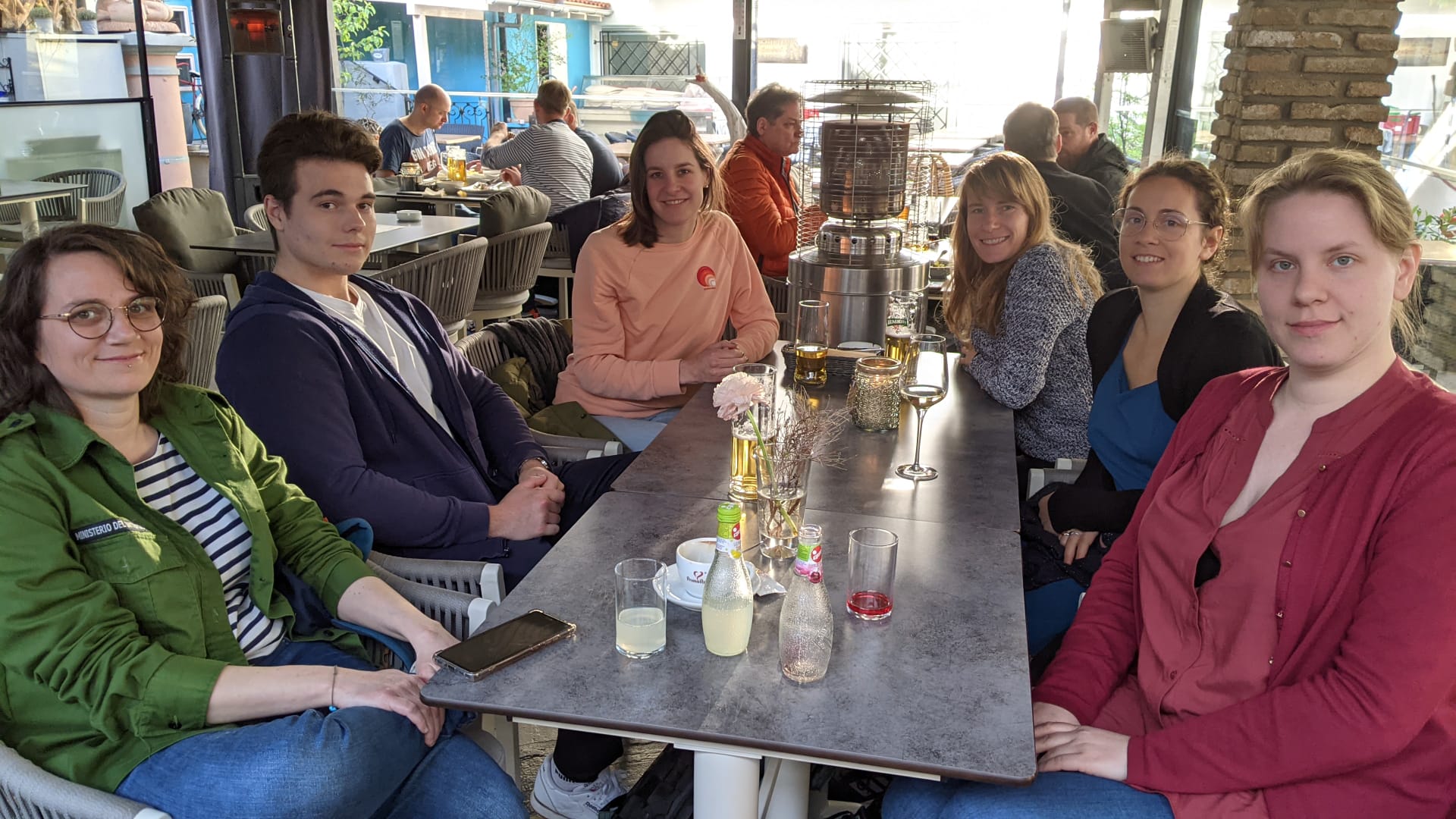
Dr. Laura Chauvet, Daniel Henze, Prof. Dr. Judith Golda (all from RUB), Prof. Dr. Claire Douat, Eloïse Mestre, Dr. Inna Orel (all from GREMI); from left to right
- Details
ISPC25 with the best oral presentation prize winner from RUB
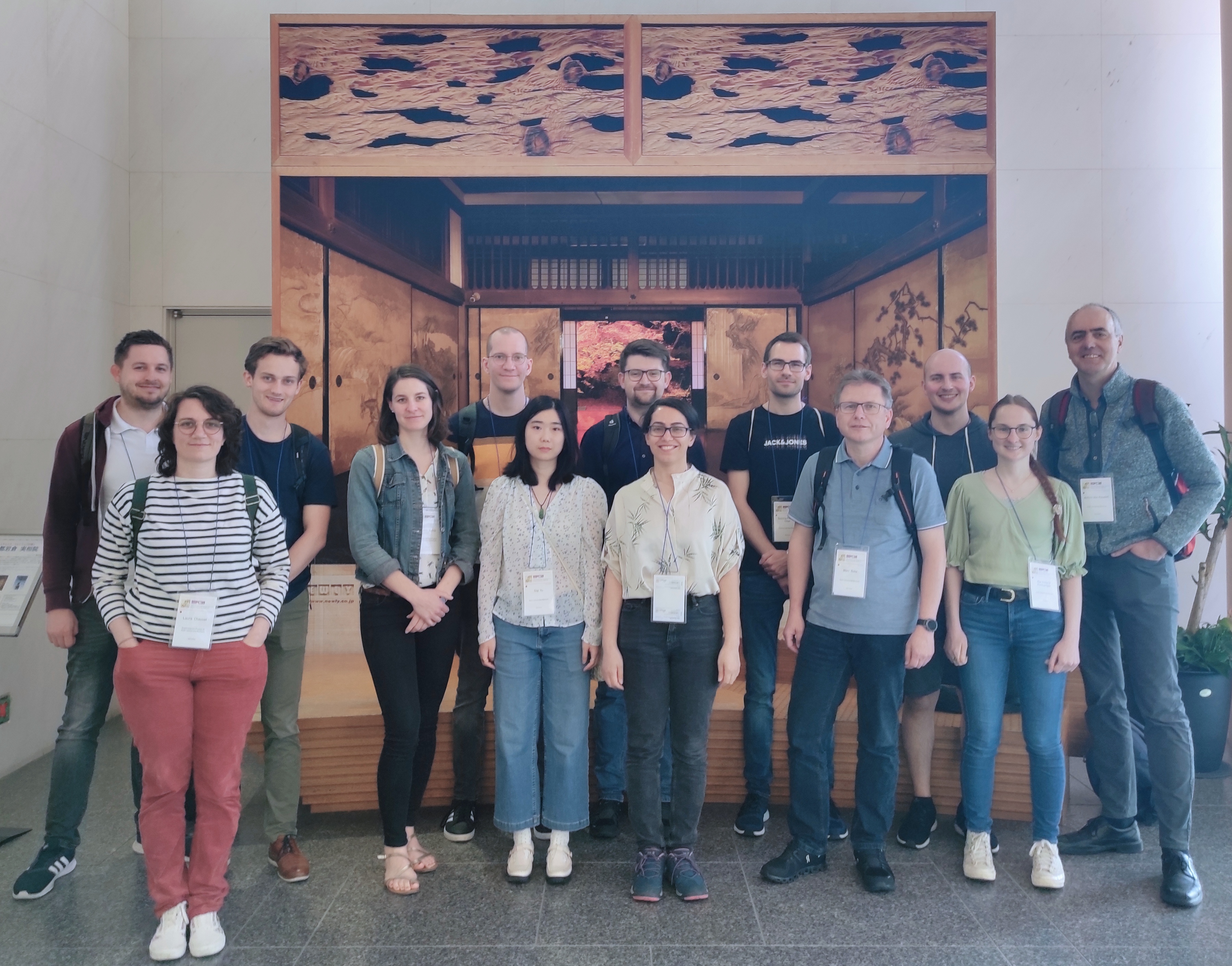
The biennial international symposium on plasma chemistry was held in Kyoto, Japan at the end of May. A large delegation of Bochum plasma physicists and plas engineers attended the conference.
The conference covered most aspects of plasma from different fields: plasma medicine, plasma-based gas conversion, plasma in liquid, plasma process and material engineering, plasma spectroscopy and diagnostics, etc. The symposium provided a great opportunity to make new contacts and maintain relationships. The poster session was also very informative and provided a great opportunity to learn about the latest developments in plasma chemistry.
Overall, the 25th Symposium on Plasma Chemistry in Kyoto was a great success.
Congratulations to Simon Kreuznacht (EP2, RUB) for winning an award at the ISPC25 in Kyoto for his oral presentation on “Space resolved temperature measurements in an argon methane microwave plasma used for hydrogen production”. The Oral Presentation Awards are assigned to the best oral presentations provided by students.
- Details
Heraeus Seminar "Non thermal plasmas for sustainable chemistry"
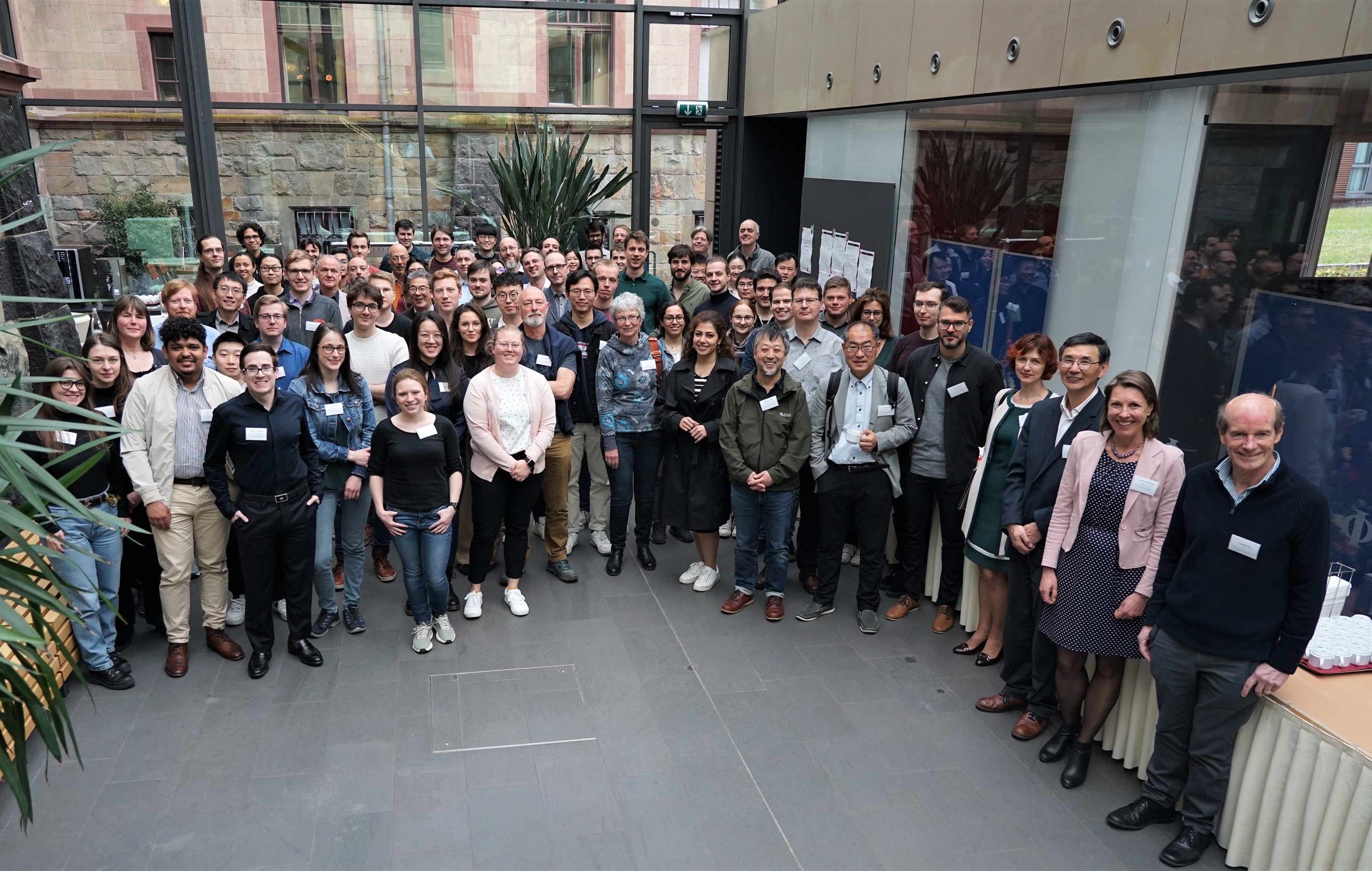
The CRC 1316 was involved in the organization of the 785 WE Heraeus Seminar "Non thermal plasmas for sustainable chemistry" that was held in Bad Honnef 22.4.-27.4.2023. The meeting was organized by Yiguang Yu (Princeton), Tomo Nozaki (Tokyo Tech), Annemie Bogaerts (U Antwerp), and A. von Keudell (RUB, SFB 1316). The SFB 1316 contributed with two invited presentations and 6 posters. The seminar with 80 attendees provided a broad overview on the field and critical discusssions about the challenges and potential of plasma methods for sustainable chemistry.
- Details
Guests
Visit of Prof. Katsuyuki Takahashi
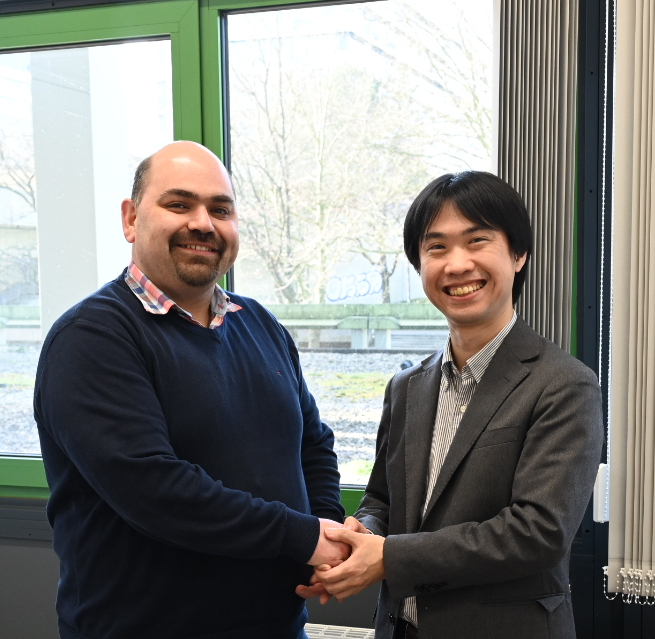 Assoc. Prof. Dr. Katsuyuki Takahashi (Iwate University, Japan) visited the Chair for Atomic and Plasma Physics (Prof. U. Czarnetzki).
During his stay Prof. Takahashi visited the laboratories of many groups at RUB that are working within the CRC 1316. In a seminar talk Prof. Takahashi presented the various research topics that are covered by his group and the group of Prof. Koichi Takaki (Iwate University). These include pulsed non-thermal plasmas for enviromental and agricultural applications among others. The overlap in many of the topics could provide fruitful grounds for future collaborations between the Ruhr University Bochum and the Iwate University.
- Details
DPG spring meeting
At the annually DPG (German Physical Society) meeting, the plasma groups from RUB campus had many contributions during this event. At least eleven oral presentations including one invited talk as well as eleven poster presentations were given by CRC 1316 members.
- Details
Internal exchange in Ulm
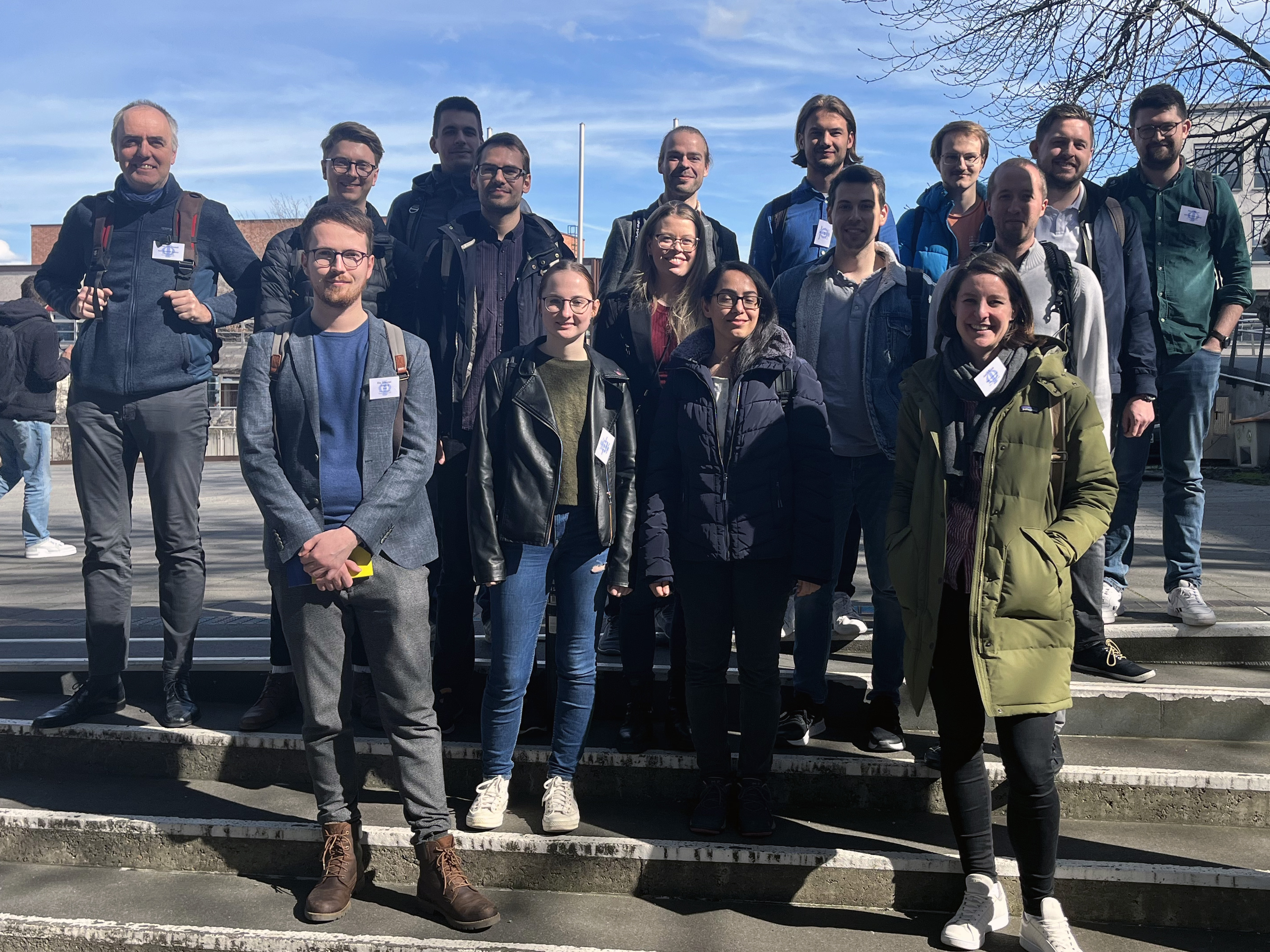
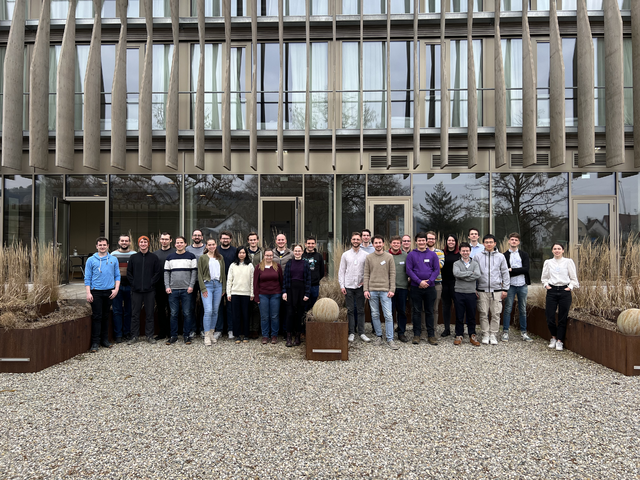
From 1.3. to 3.3. the CRC 316 meeting took place in Ulm. Besides the scientific exchange about transient atmospheric pressure plasma, an electrochemistry workshop was held at the University of Ulm. In addition, experts from other fields were invited.
Thanks to Angela Bayler from centrotherm international AG, Luca Vialetto from Christian-Albrechts-Universität zu Kiel, and Peter Hartmann from Wigner Research Centre for Physics in Budapest.
- Details
Workshop
2nd Workshop on FAIR data in Plasma Science
We are happy to announce the second workshop on research data management in Plasma Science. NP, CAU and RUB are now organizing the 2nd Workshop on FAIR Data in Plasma Science, which will take place from May 3-4, 2023 at the Event Center at Ruhr-Universität Bochum, see also https://www.plasma-mds.org/ws-fair-data-plasma-science-2.html.
The workshop is aimed at researchers at different stages for exchange on the topic of data management. Topics of the workshop are electronic lab journals, practical questions in the daily handling of research data management systems as well as the presentation of already established solutions. In addition, an interactive part is planned, which will deal with the question of how to get standards into the laboratory. Here, all participants are invited to contribute their ideas and your practical expertise.
- Details
Martin Muhler receives Alwin Mittasch Award 2023
Prof. Dr. Martin Muhler was awarded the Alwin Mittasch Prize 2023 for his "fundamental contributions to the cross-scale understanding of the mode of action of catalyst materials in chemical reactions for future-oriented technologies". This award is given to researchers for outstanding achievements in the field of catalyst research by German Society for Catalysis. The award will be handed over in Weimar on March 16, 2023.
Prof. Dr. Martin Muhler holds the Chair of Technical Chemistry at Ruhr-Universität and is a board member of SFB 1316, PI in project A7 "Plasma catalysis for conversion of volatile organic compounds (VOC)", as well as a member of the MGK.
More information about the award can be found
RUB article
- Details
Company Visit
Visit of the company Plasmatreat
The lecture "Introduction to plasma physics II" and Bachelor, Master and PhD students of the chair EP2 and the group Plasma Interface Physics visited the company Plasmatreat in Steinhagen near Bielefeld. The company excels in the production of atmospheric pressure plasma jets for polymer functionalization.