
- Details
Luminous plasmas were ignited at MINTsight.BOchum
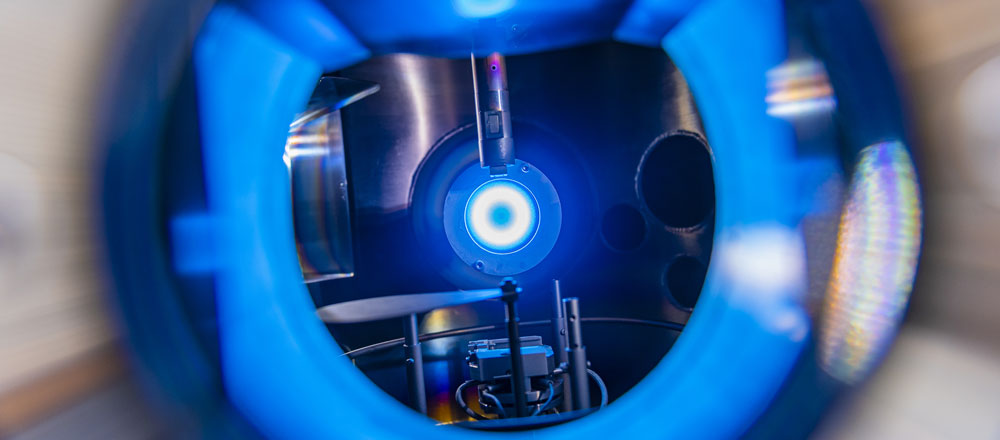
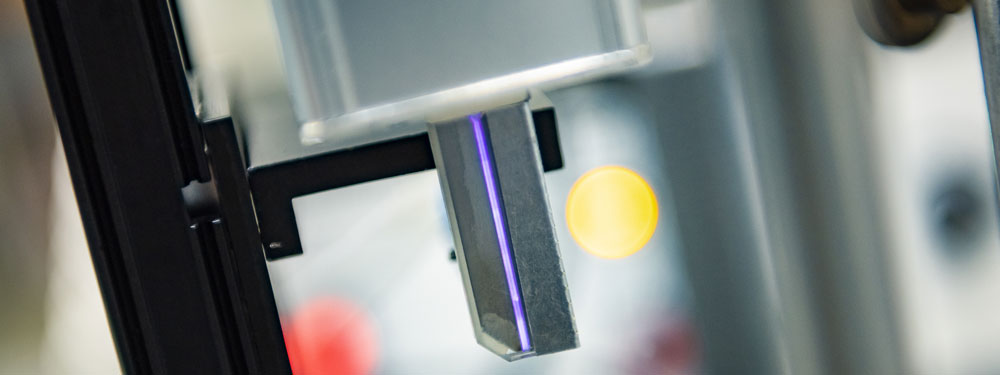
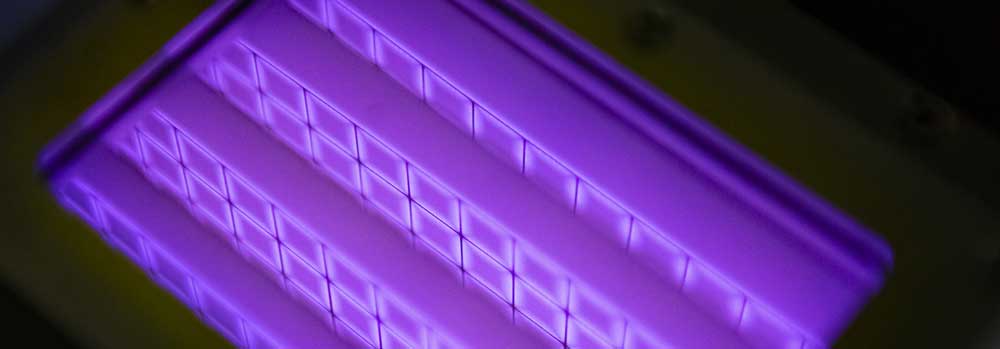
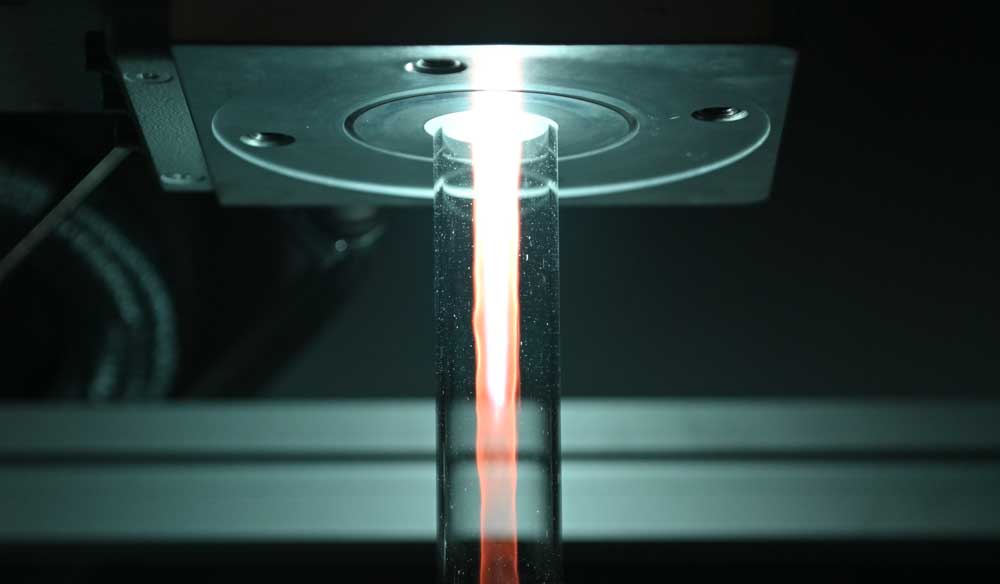
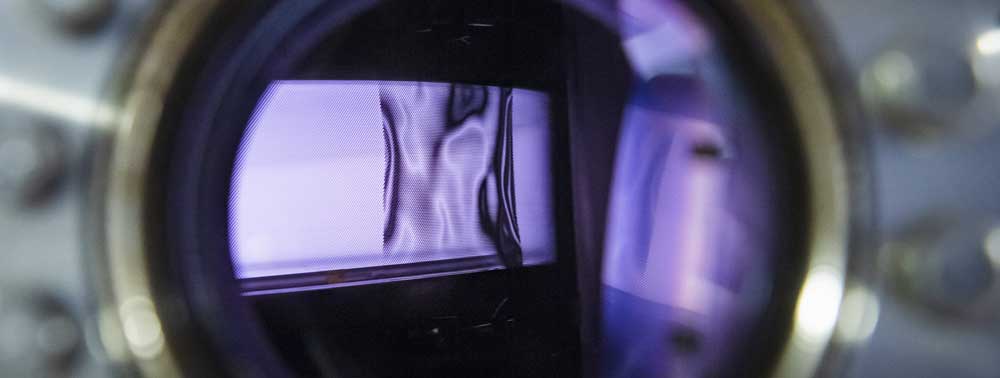
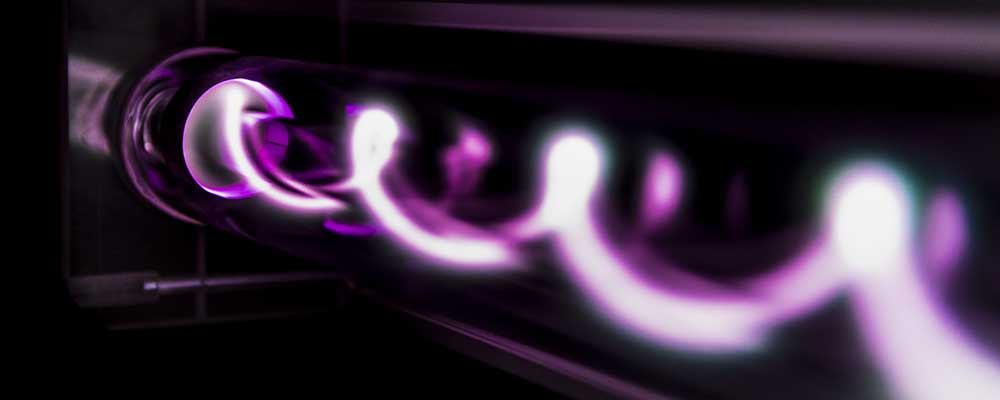
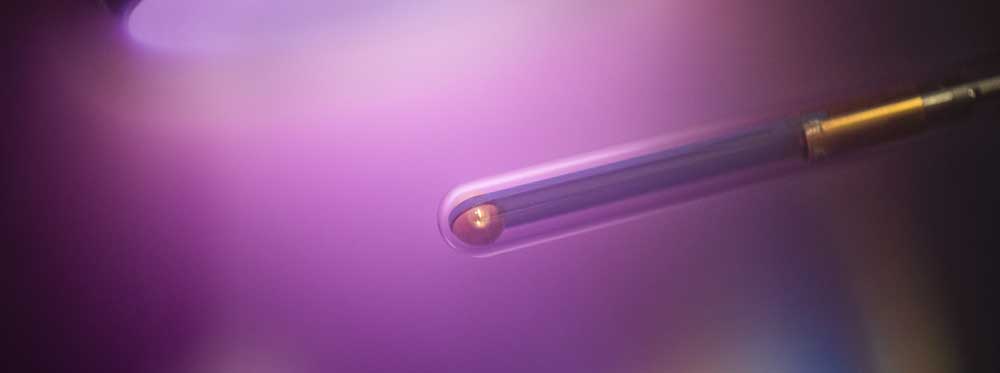
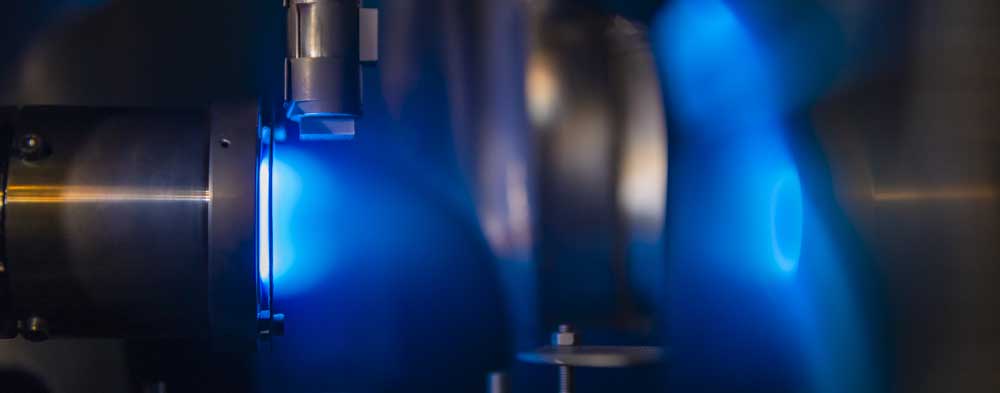
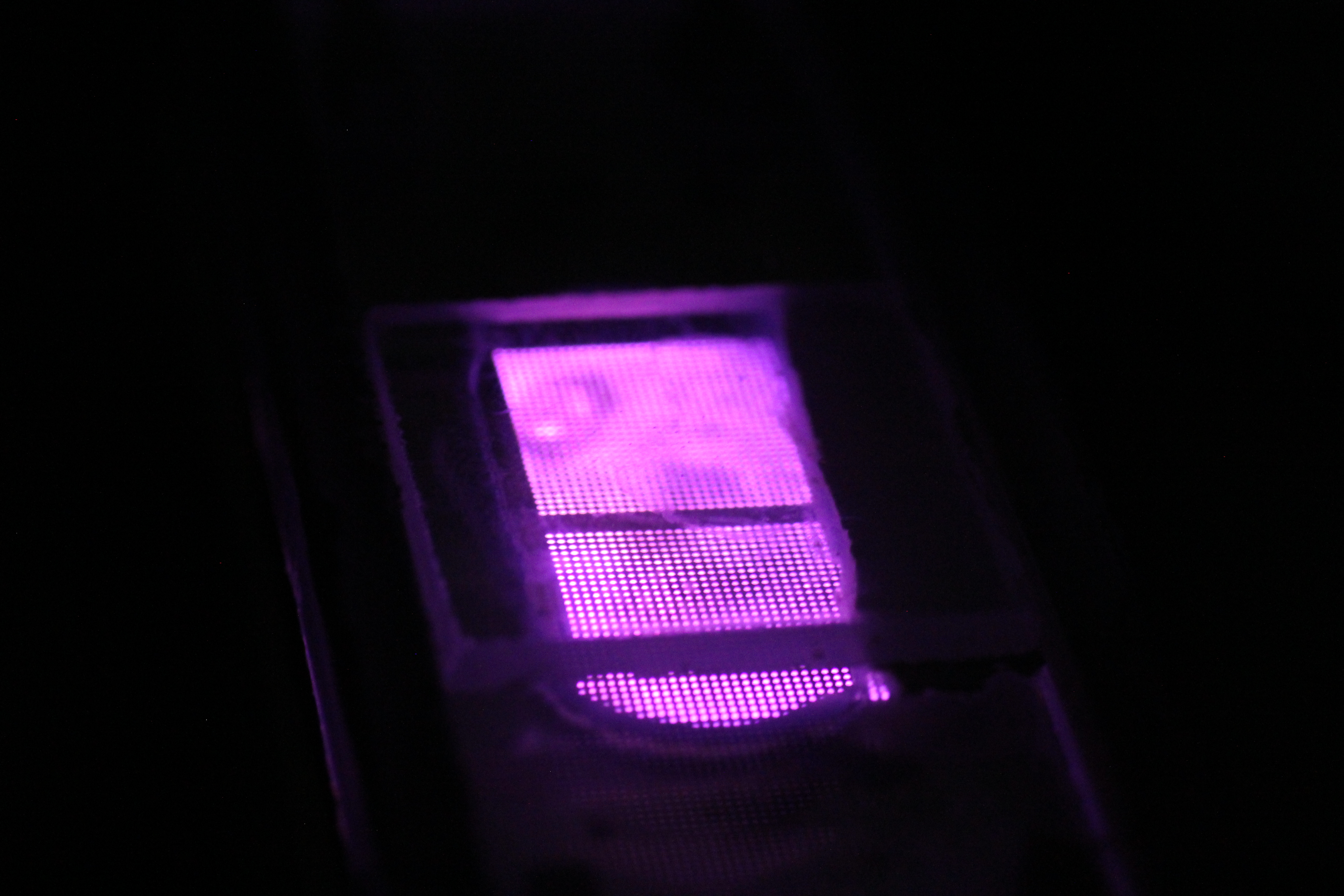
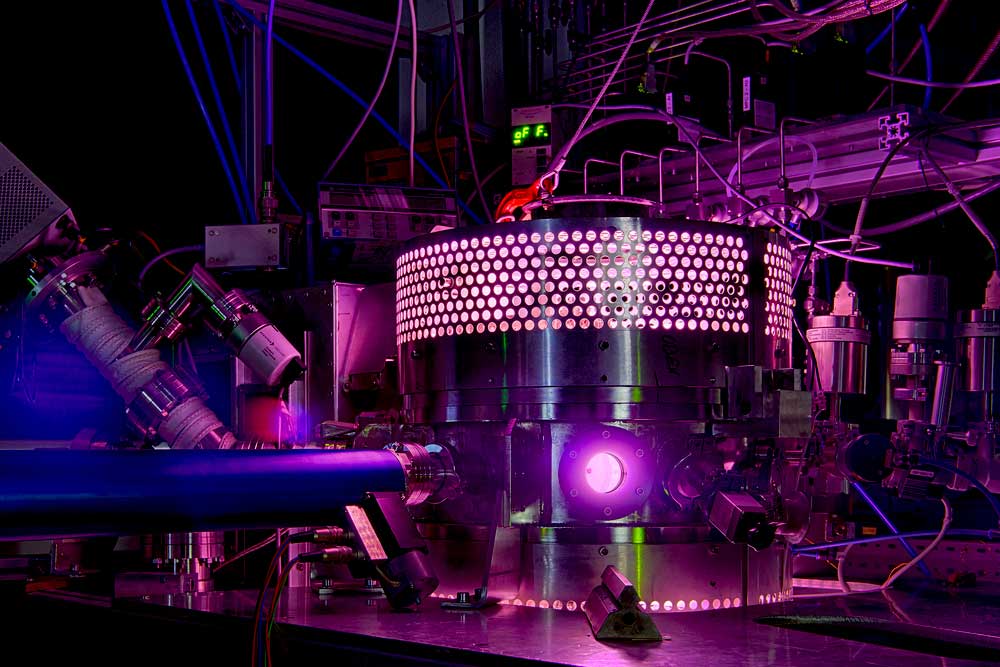
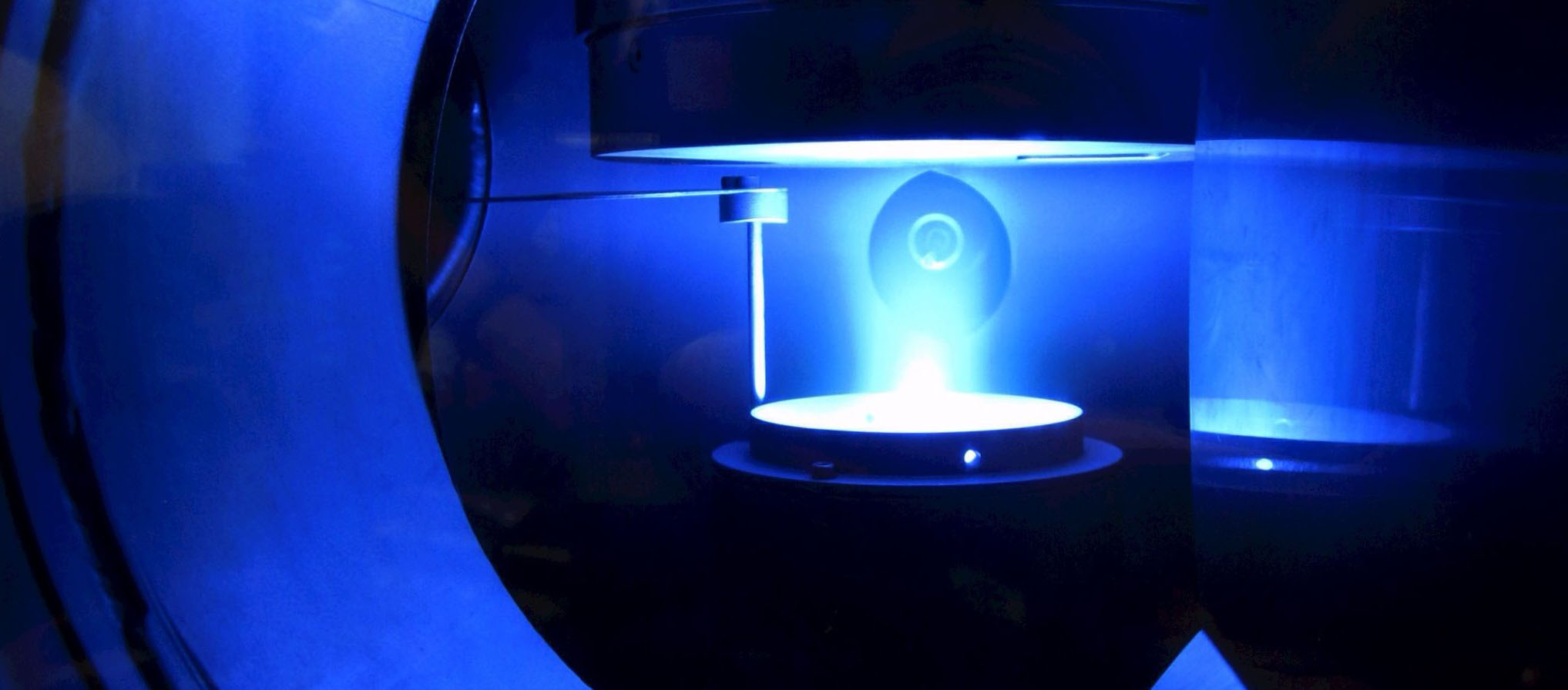
On 18th February the MINTsight.BOchum, a study orientation day took place. High school students attended a lecture, were guided through laboratories, and could participate in exciting workshops. In our plasma workshop, students gained hands-on experience with these fascinating gases and gained insight into studying electrical engineering and physics, as well as plasma research at the Ruhr University Bochum.
- Details
Unconcious Bias
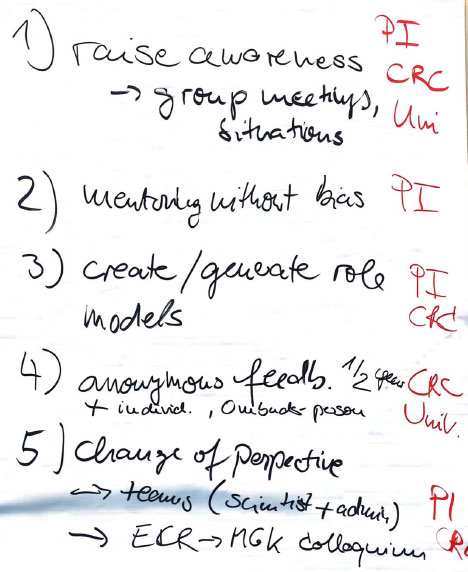 On Tuesday, March 4, 2025, members of the SFB 1316 participated in a workshop on the topic of Unconscious Bias led by Dr. Juliane Handschuh. The workshop's objective was to understand the impact of prejudices in scientific research and general work environments and learn to recognize unconscious biases in oneself and in the workplace. After Dr. Handschuh gave an introductory talk on the topic, the group was divided into groups of Early Career Researchers (ECRs) and Principal Investigators (PIs) to encourage an open exchange. In preparation for the workshop, participants had been encouraged to anonymously submit personal incidents where they experienced a bias. The group exercises were used as case studies and foundation for discussion. Together, strategies to recognize and adequately approach unconscious biases were developed as a directly affected person and as a bystander. At the end of the workshop, both groups joined again for a final discussion. The workshop provided valuable insights into the complex topic of unconscious biases and has provided the members of the SFB with practical tools to foster a more inclusive research environment.
- Details
Welcome to our new PI Chris Riseley!
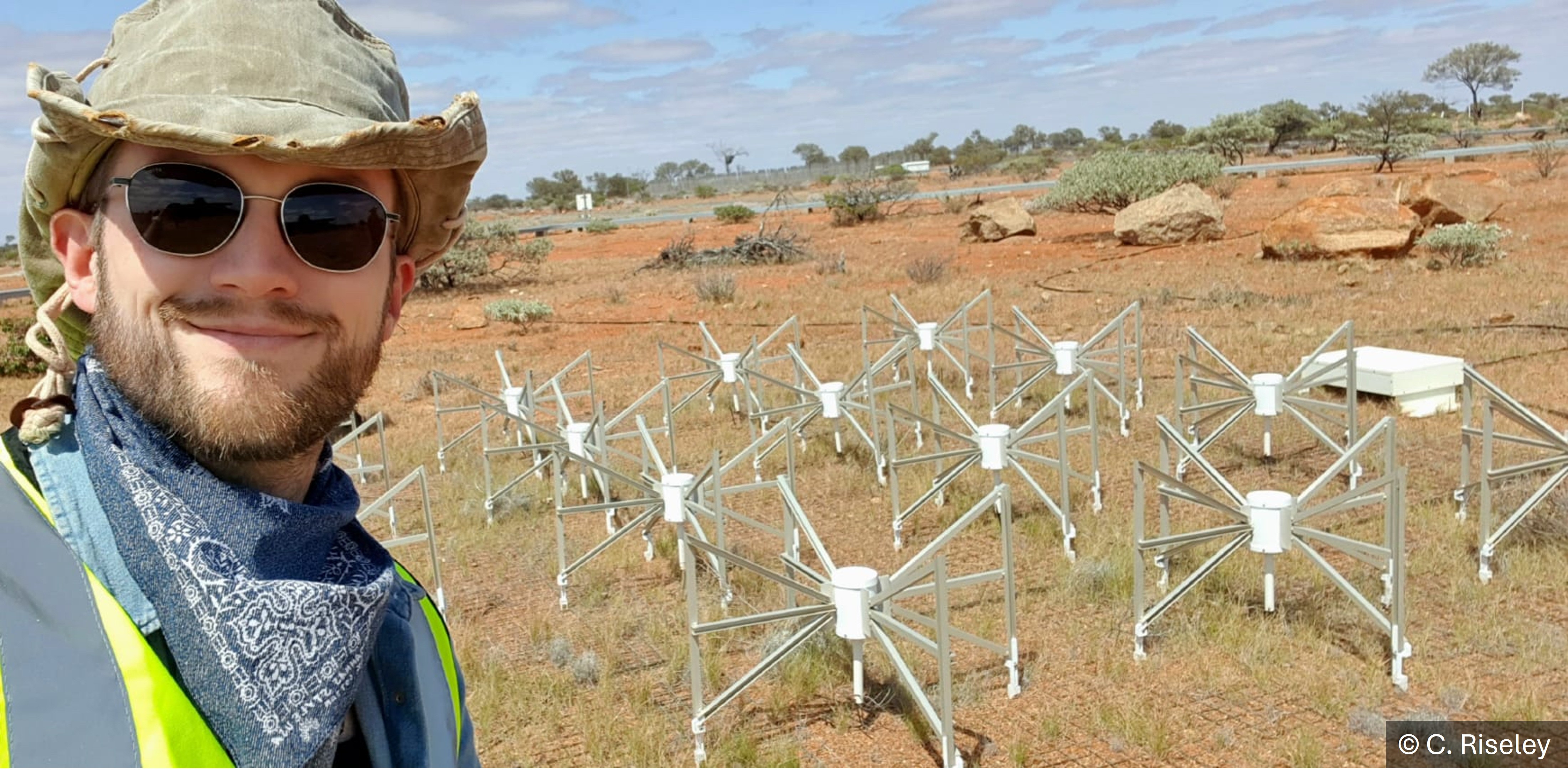
We are excited to announce that Dr. Christopher Riseley has been appointed as a new PI at our CRC.
Chris is a Junior Professor of Radio Astronomy at the Astronomical Institute of Ruhr-University Bochum (AIRUB). His research focuses on using radio telescopes worldwide to study clusters of galaxies. He aims to answer key scientific questions related to diffuse radio sources in galaxy clusters, including canonical relics, haloes, and mini-haloes. Chris is also exploring the unique sources discovered by the precursor instruments for the Square Kilometre Array (SKA).
Specializing in long-wavelength radio astronomy, Chris works extensively with data from the LOw-Frequency ARray (LOFAR), the Murchison Widefield Array (MWA), the Australian Square Kilometre Array Pathfinder (ASKAP), and the MeerKAT telescope in South Africa.
In the coming years Chris will use these instruments to explore galaxy groups, understanding the interplay between galaxies and their environments. Within the CRC, Chris will apply his radio astronomy expertise to studying the rich physics of dwarf galaxies and nearby galaxies in these environments, answering questions related to dark matter, Cosmic Rays, galaxy evolution, and feedback mechanisms.
- Details
General Assembly 2025
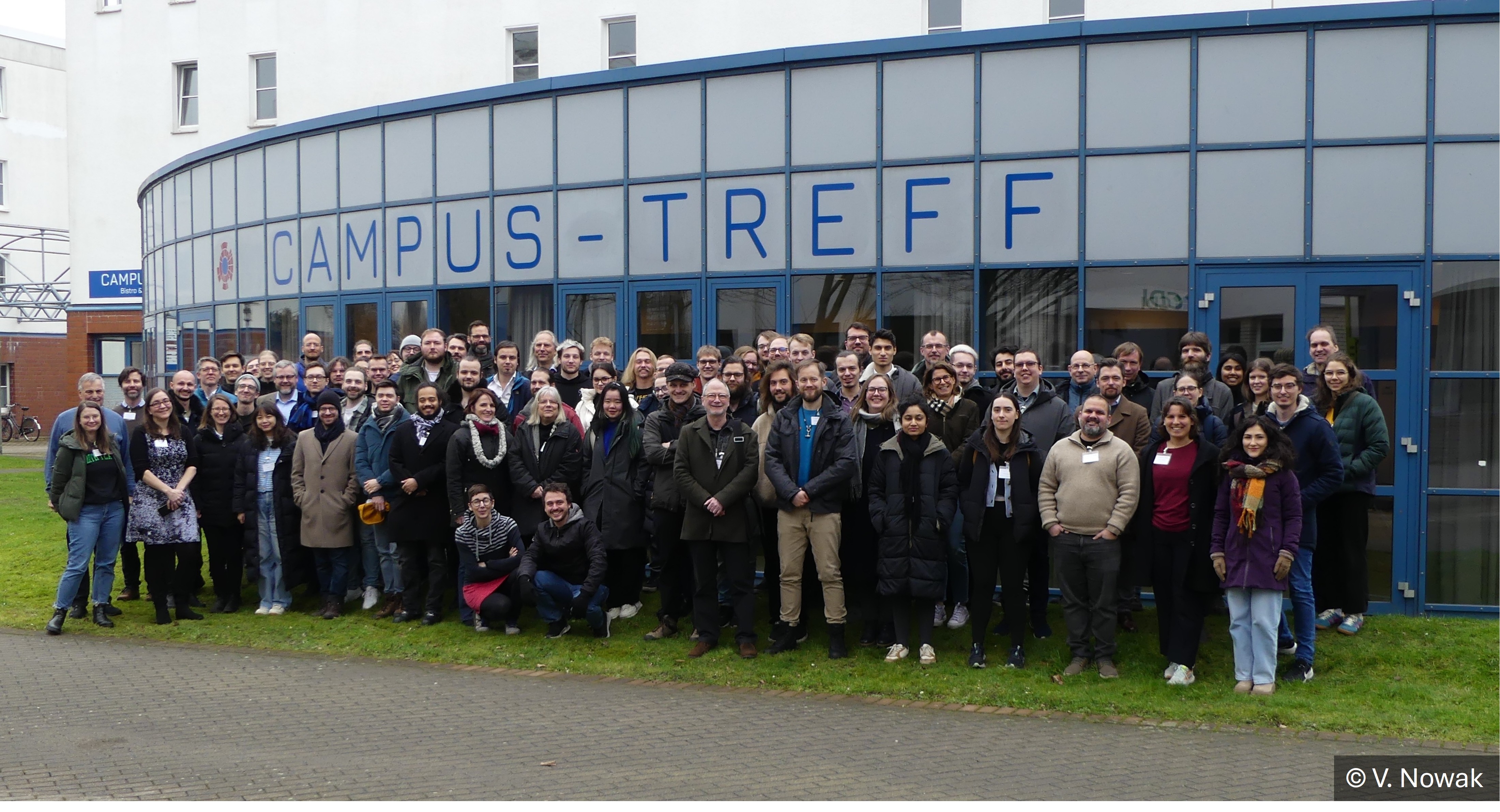
For two days in February, all SFB1491 researchers came together at TU Dortmund to discuss the latest results, covering a wide range of topics including the search for dark matter, investigating (cosmic) magnetic fields, the modeling of accretion and ejection phenomena in astrophysics, and the exploration of cosmic rays and neutrinos in astrophysical as well as collider experiments.
A special highlight were the keynote talks by Dr. Imre Bartos (University of Florida) on "The Expanding Gravitational Wave Horizon: Emerging Opportunities for Multimessenger Discovery" and Dr. Daniel Verscharen (Mullard Space Science Laboratory) on "Electron heat flux in structured plasmas: collisions, trapping, and wave-particle interactions".
More information on our meeting, in particular the program, can be found here
- Details
2024 RUB student prize goes to a student of CRC 1316
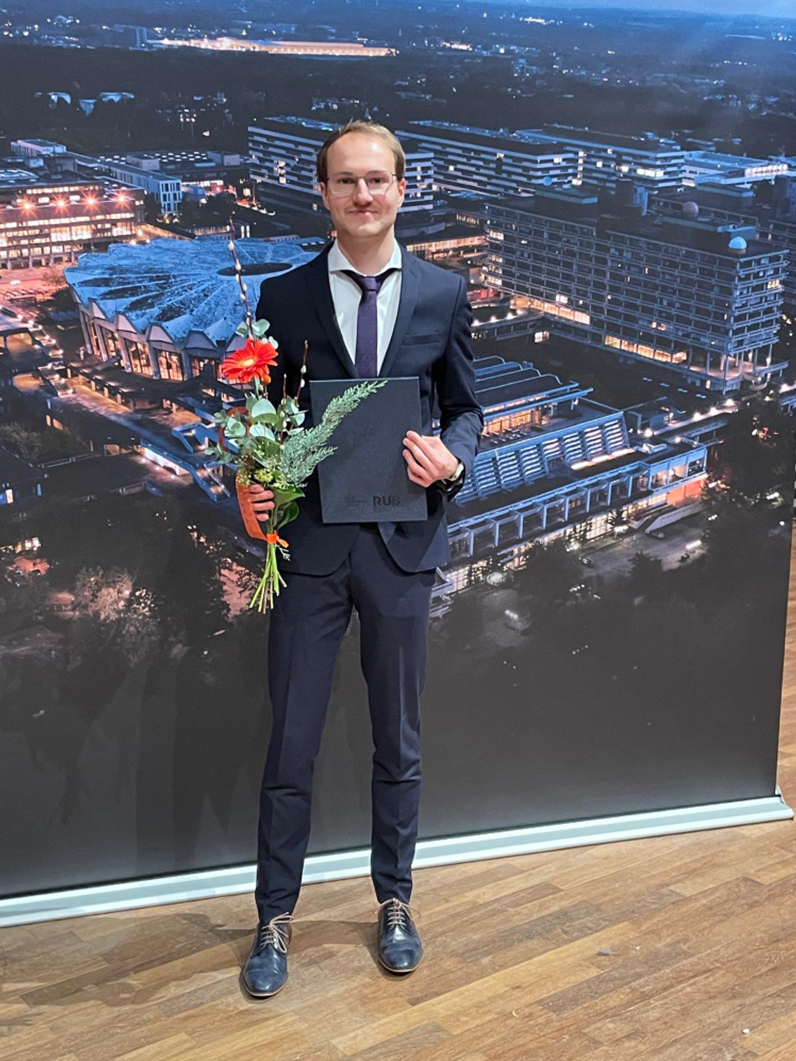 Huge congrats to Robin Labenski for winning the student prize for his master thesis at the Ruhr University!
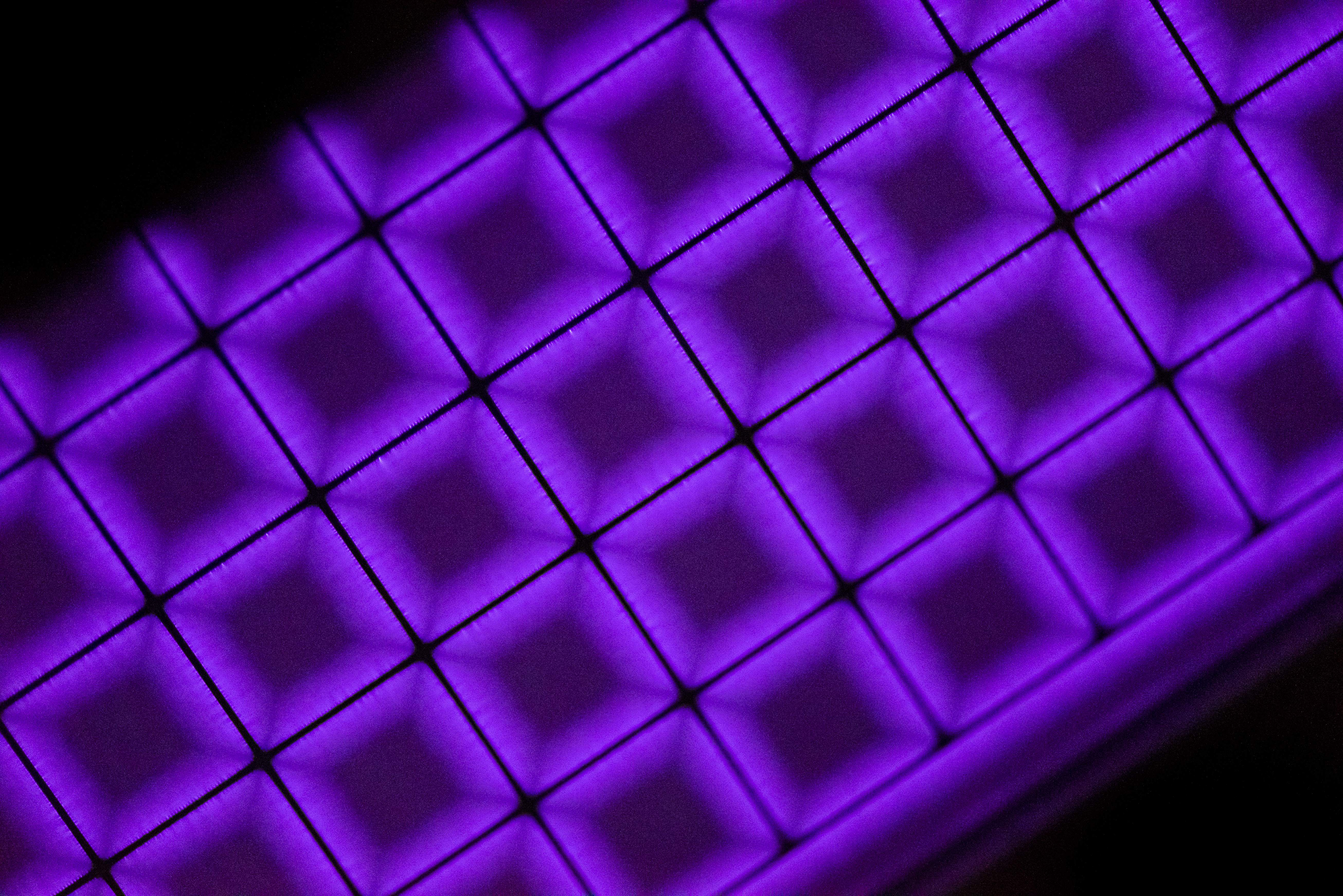
His master thesis “Laser induced influence of charges in a dielectric barrier discharge under atmospheric pressure” discusses the improvement of plasma catalysts using a metal grid array with cavities of diameters between 50 and 200 µm. Using an Nd:YAG laser, the surface charges of the reactor could be manipulated to investigate the behaviour of the discharge.
Fun fact: Project A6, where this thesis was set, seems to be very successful in winning this prize. 2021 David Steuer won it for his master thesis and in 2023 Henrik van Impel won the prize with his bachelor thesis.
- Details
Paper of the Year 2024 Award
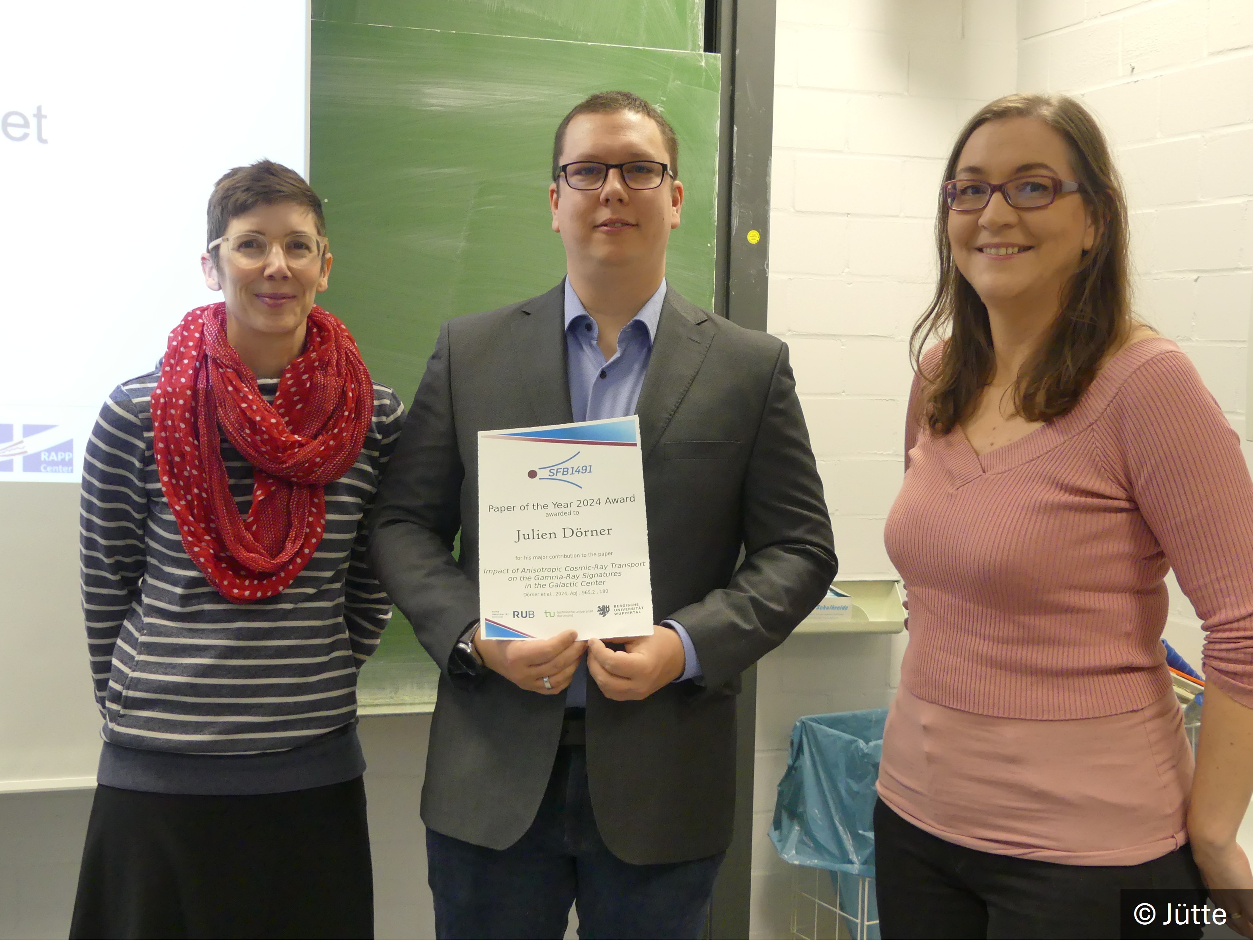
Congratulations to Julien Dörner who has been awarded the SFB1491 Paper of the Year 2024 Award for his crucial contribution to the understanding of cosmic-ray propagation in the Galactic Center region!
The Galactic Center is one of the most fascinating yet complex areas in our Galaxy.
For the first time, Julien combined a 3D model of both the magnetic field configuration and the gas distribution with state-of-the-art cosmic-ray propagation modeling. He tested different anisotropic diffusion and cosmic-ray population models and compared their predictions to very-high-energy gamma-ray data. His model lays the foundation for future observations of the Galactic Center with the upcoming CTAO.
This research was published under the title "Impact of Anisotropic Cosmic-Ray Transport on the Gamma-Ray Signatures in the
Galactic Center” in the Astrophysical Journal, with Julien as the lead author.
- Details
Tim Dirks wins Uwe Kappel Doctoral Prize
 Congratulations to Tim Dirks, who has been awarded the Uwe Kappel doctoral prize.
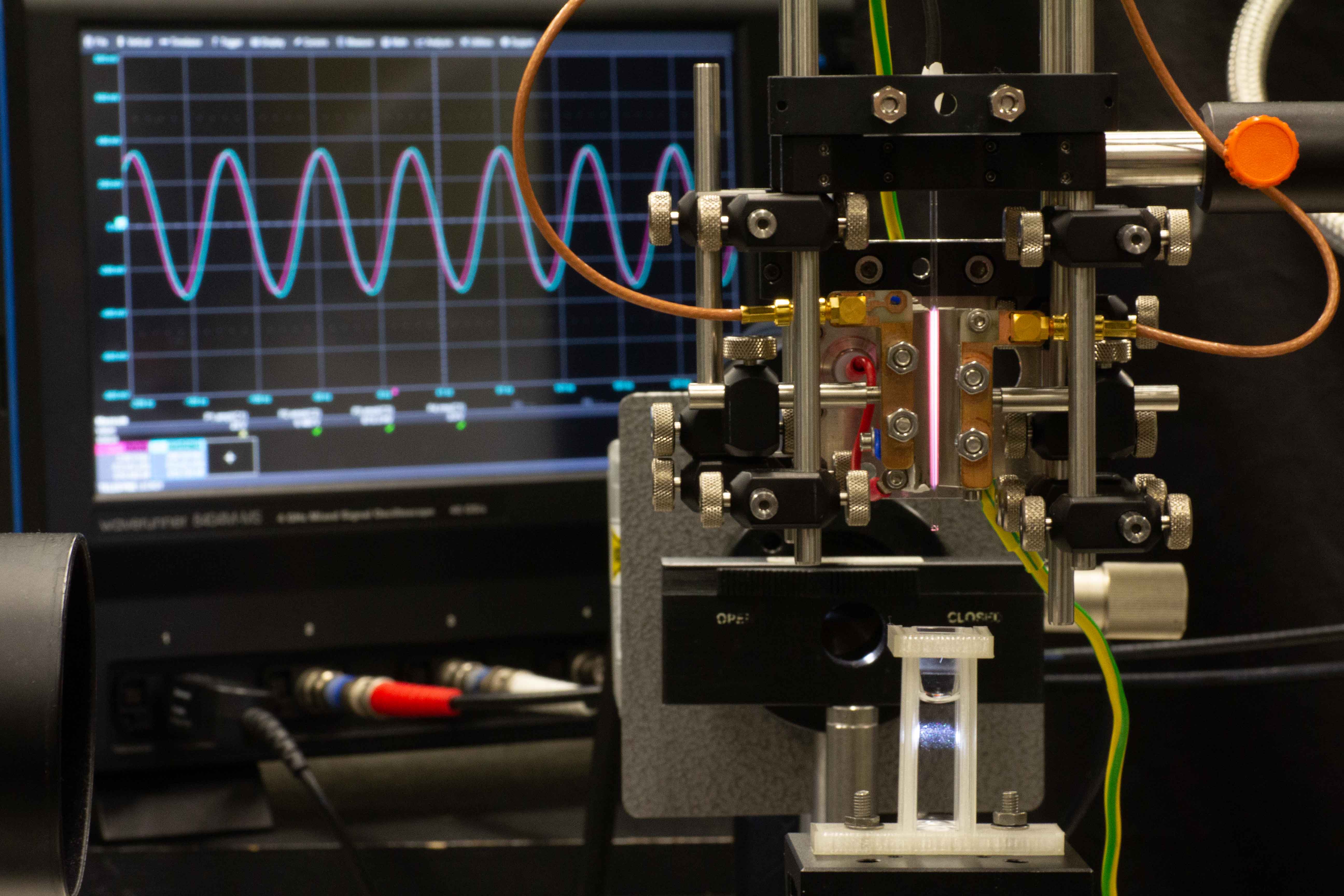
His PhD thesis entitled “Plasma-driven biocatalysis and the investigation of plasma-protein interactions“, addresses three challenges in plasma-driven biocatalysis: the inactivation of enzymes by reactive plasma species, the limited production rate of H2O2, and the limited availability of suitable biocatalysts. His outstanding work on a successful strategy to protect enzymes by immobilising and binding them to beads has significantly increased the efficiency of plasma-driven biocatalysis.
The Uwe Kappel doctoral prize was awarded for the first time in November 2024. The prize was established by the Faculty of Biology and Biotechnology in cooperation with the Society of Friends of the Ruhr University to support young researchers and to honour their outstanding achievements during their doctoral studies.
- Details
Welcome to the new PI Felix Riehn
We are happy to announce that Dr. Felix Riehn (TU Dortmund, AG Albrecht ) has joined the CRC 1491 as a new PI!
Felix studies interactions of particles at the highest energies. He mostly focuses on building theoretical models and studying extensive air showers at the Pierre Auger Observatory.
Extensive air showers are formed when ultra-high energy cosmic rays that originate somewhere outside the solar system, interact with the nuclei in the Earth's atmosphere. As it turns out, none of the models we have for particle interactions are able to describe accurately what we observe in extensive air showers. This is part of the reason why we do not know exactly where the cosmic rays were originally accelerated.
In his research within the CRC, he wants to combine cosmic ray data on particle interactions from the Auger observatory with the observations of accelerator experiments at CERN's Large Hadron Collider to improve our understanding of particle interactions.
- Details
Interview with Julia Tjus in "AufRuhr"
The CRC 1491 speaker Julia Tjus was recently interviewed for the magazine “Aufruhr” by the Mercator Foundation.
She had the opportunity to talk about her research, with a particular focus on cosmic rays. Furthermore, she had the chance to share insights about her scientific career and provided helpful tips for young scientists.
The full interview (in German) can be found here.
- Details
Public lecture „Neutrinos: Unsichtbare Boten aus dem Kosmos “
We are pleased to invite you to the public lecture “Neutrinos: Unsichtbare Boten aus dem Kosmos " (in German).
Jonas Hellrung takes you on a journey to an extraordinary observatory at the South Pole, designed to detect neutrinos — ghostly particles that interact with matter only on the rarest of occasions and are therefore extremely difficult to capture. You will learn how scientists, including some from the Ruhr region, succeeded in creating the very first ‘photo’ of the Milky Way in neutrinos, and what this remarkable image reveals to us.
When 11.12.24 at 20:00
Where Planetarium Bochum
For registration and further information, please have a look at the Planetarium’s homepage.
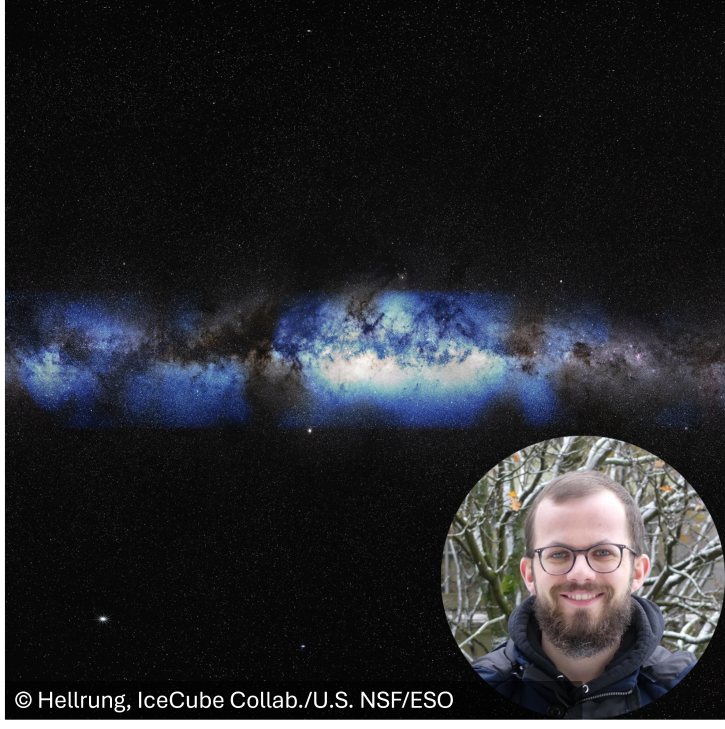
Picture:
The distribution of neutrinos (shown in blue) in the Milky Way
- Details
The student's project week during the fall vacations
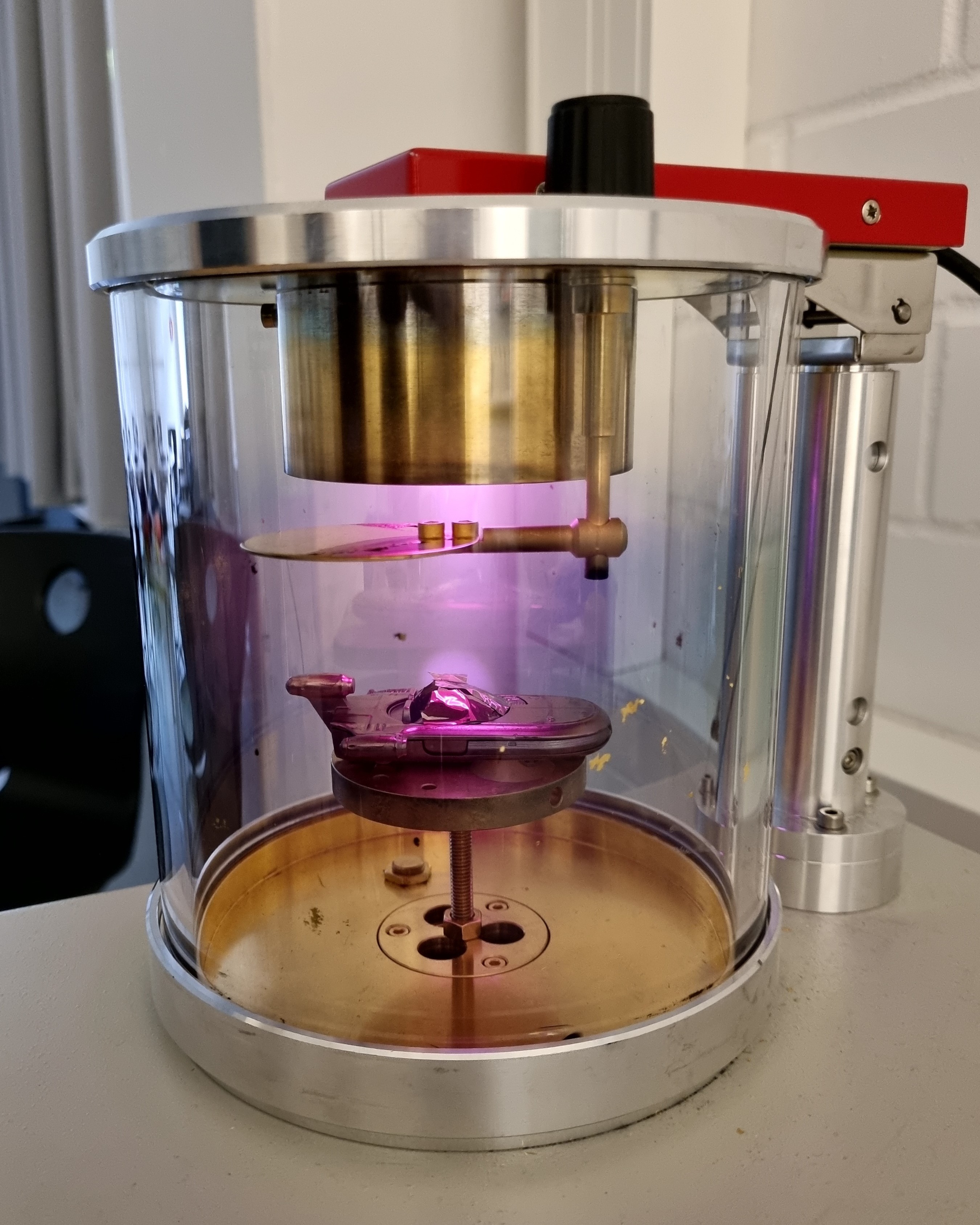 The project week at the Ruhr University Bochum took place again this autumn break. Students could choose from three workshops. In the workshop 'From Plasma to Gold Layer', they learned exciting facts about the properties and diverse applications of plasmas. The students used the sputter coater to create thin layers of gold and examined the coatings. They investigated the best way to deposit the layers and presented their research in a poster session. The project week also provided an opportunity to learn about the working environment of scientists and current research projects and to get a taste of university life.