
- Details
Japanese-German Workshop on Low-Temperature Plasma Application
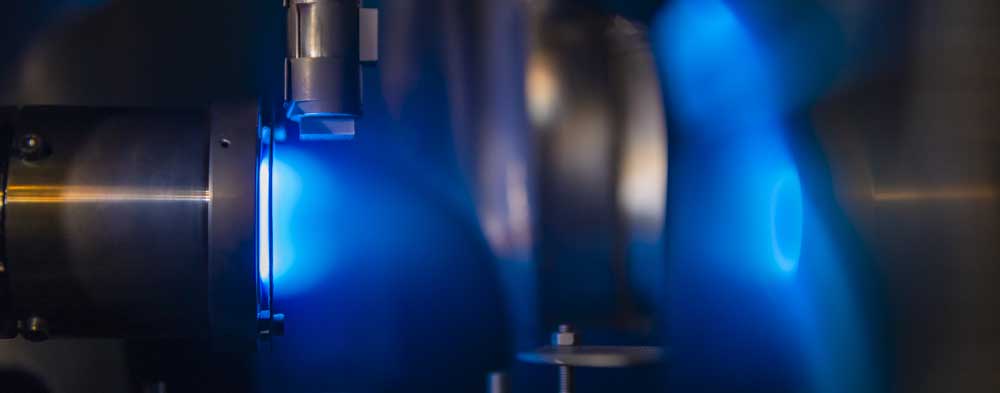
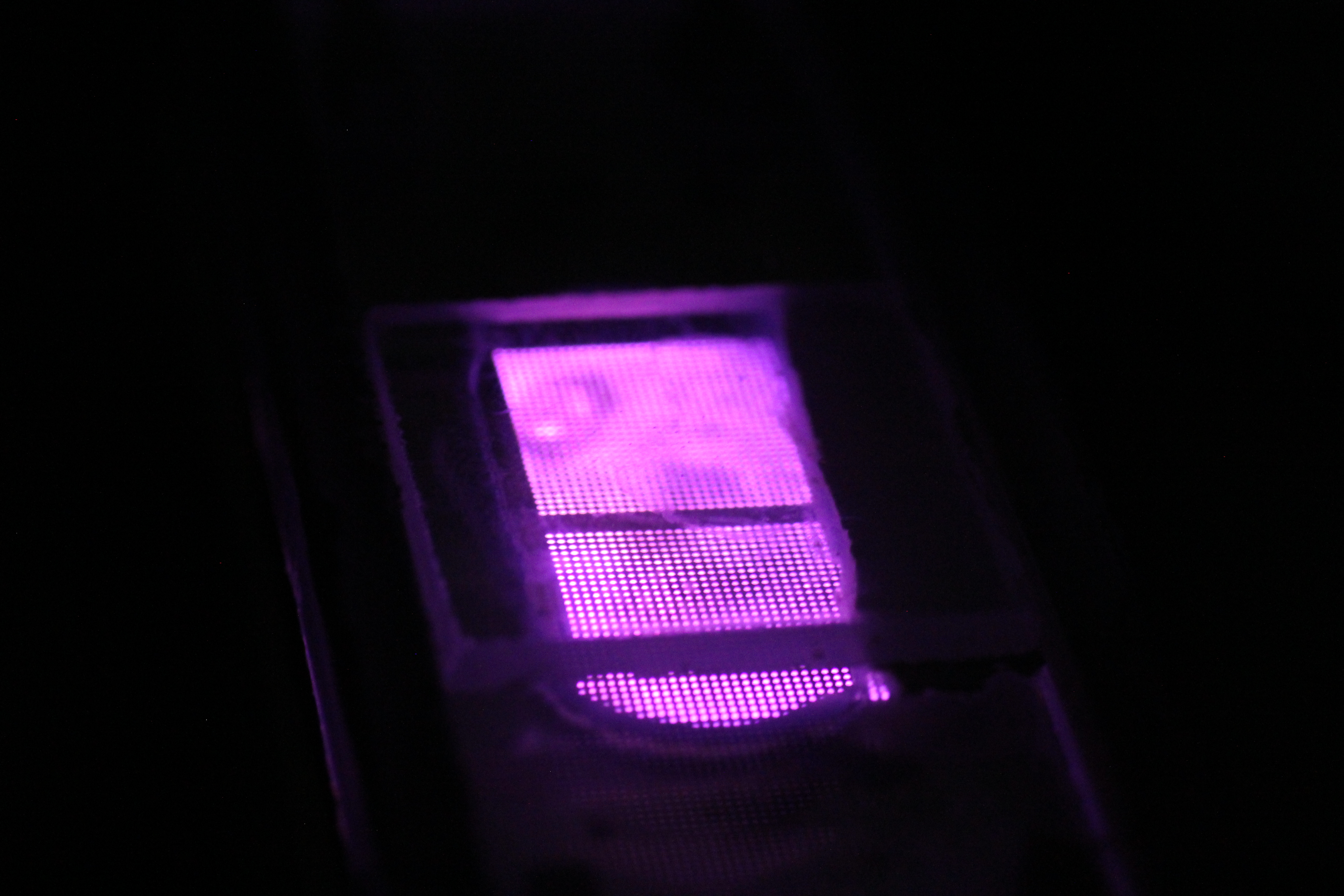
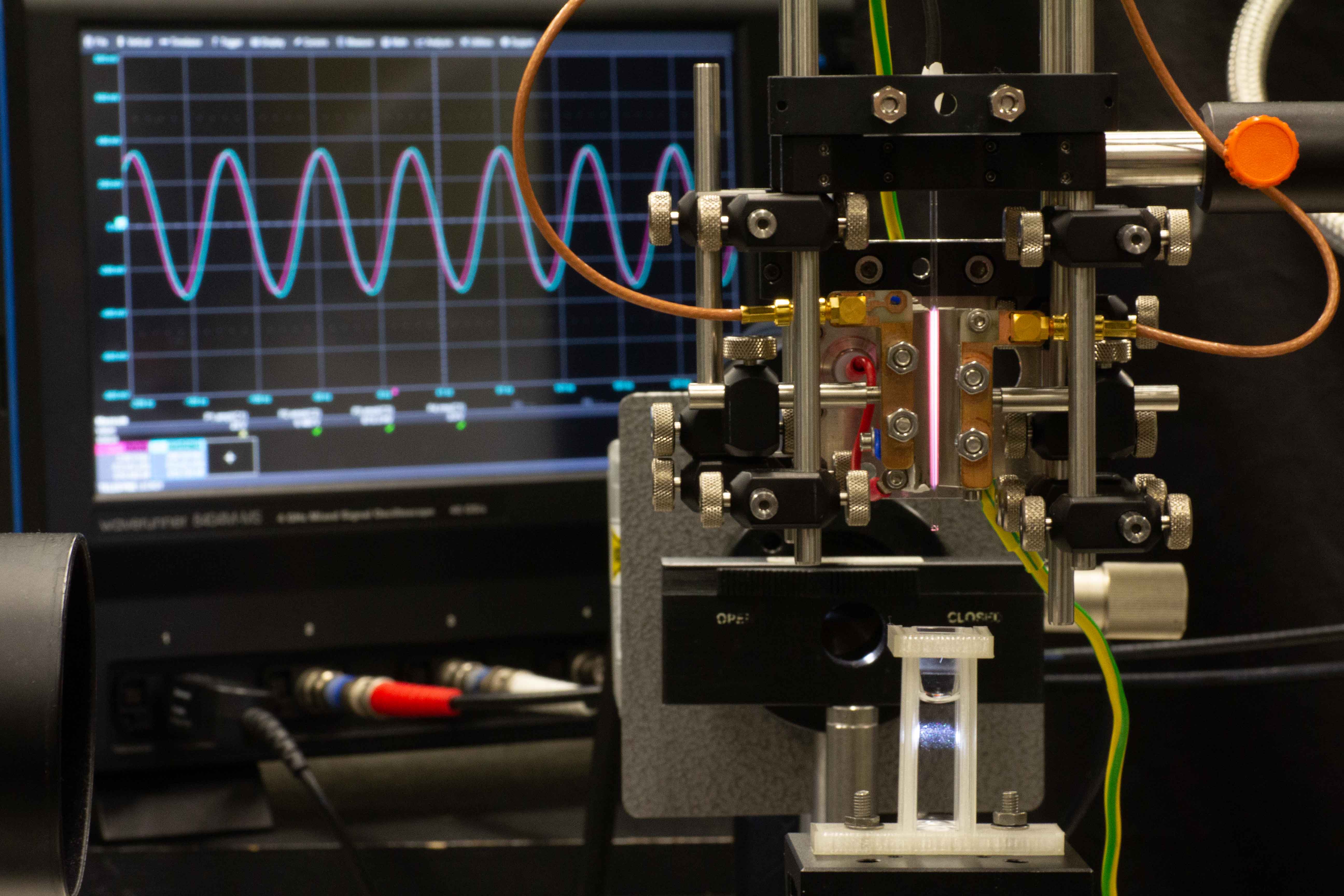
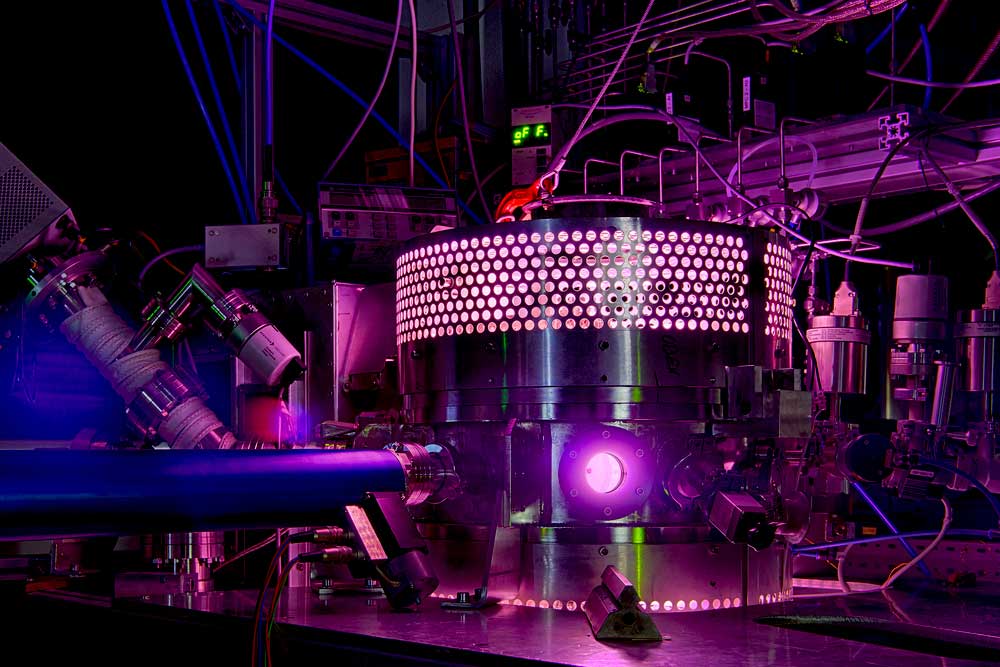
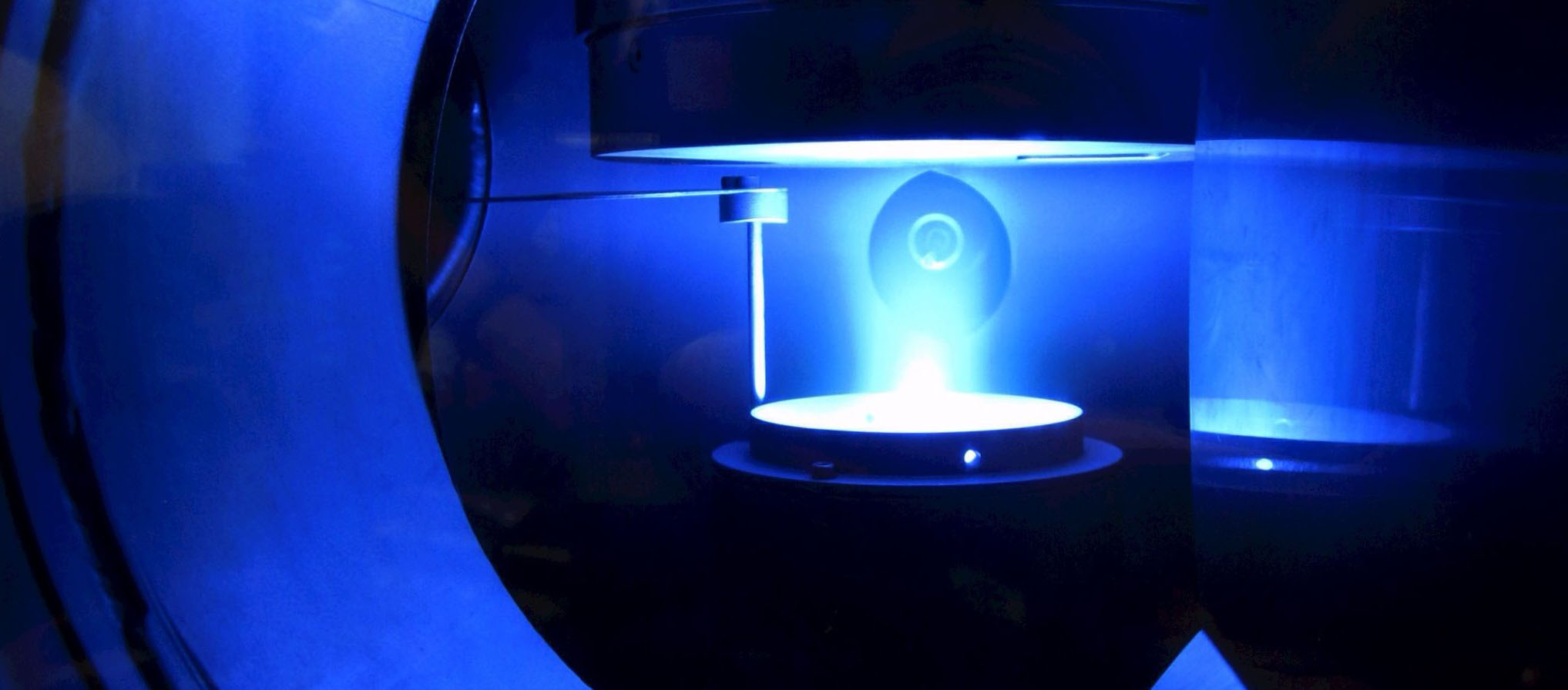
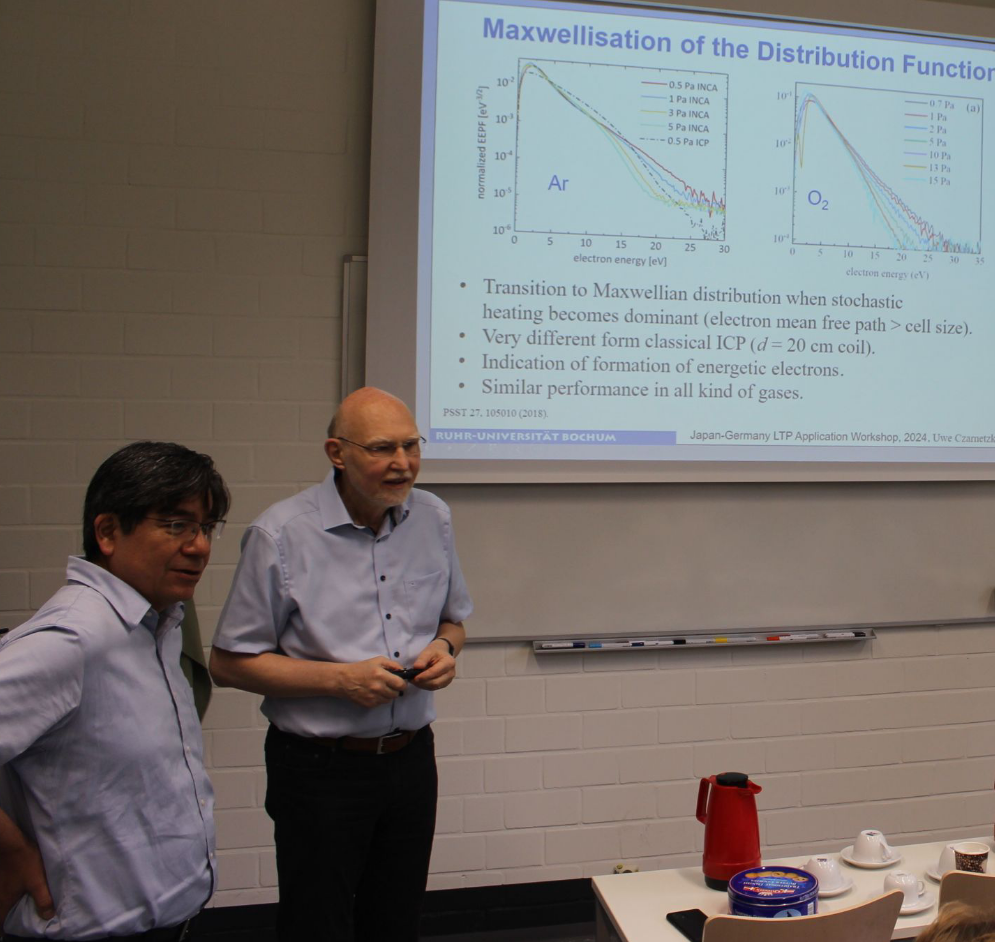 A workshop with guests from Japanese universities/ research institutions and members of the chair of Experimental Physics V was held on 25th and 26th of July. Initiated by Prof. Aramaki from Nihon University, the workshop brought together long time collegues who stayed as collaborators at EP V during the last 20 years. All of them conduct research in the field of low temperature plasmas. This covers a broad range from the application for agriculture or semiconductor fabrication as well as developing new kinds of diagnostics like vortex laser spectroscopy. With these topics a perfect overlap with the research of the CRC is given so that the workshop consists not only of one day of presentations but also one day of laboratory visits allowing for the guests to get an overview of the current local plasma research.
- Details
Understanding the theory of particles in plasmas
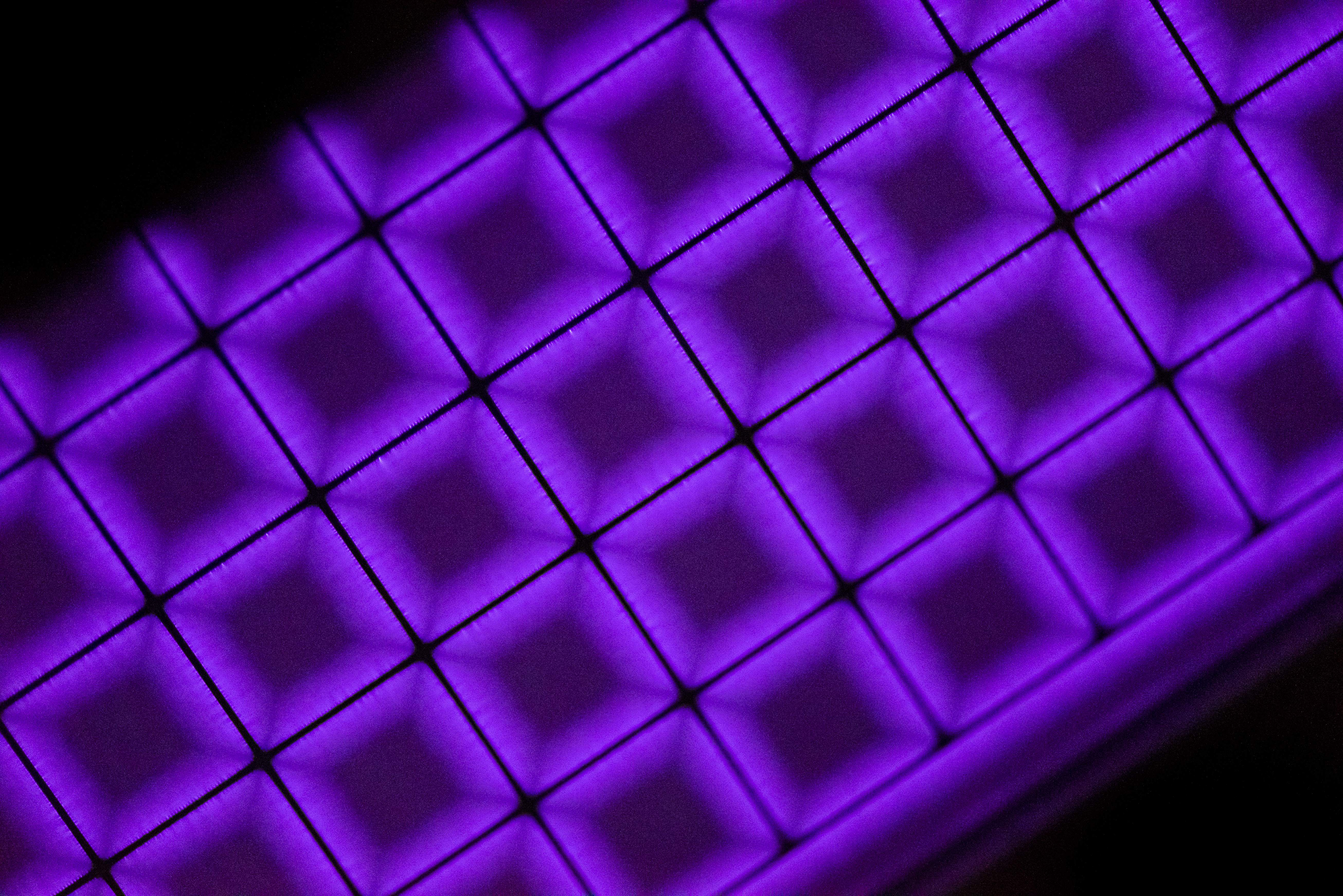
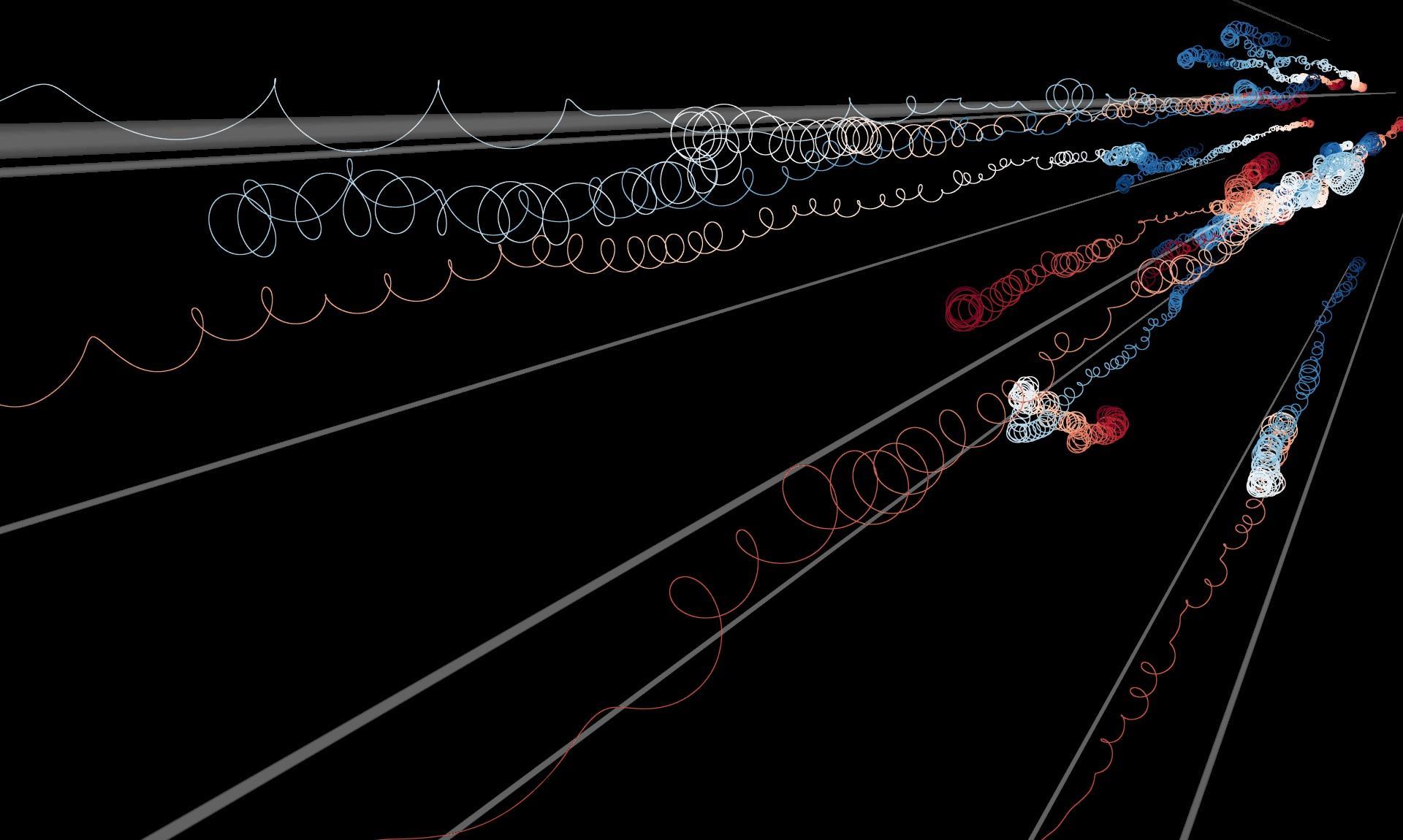 On Monday, January 22nd, scientists meet at RUB for the yearly meeting "Plasma and Particle Theory Day" to discuss the theory of particles in plasmas. Understanding the collective behavior of ionized particles is in the focus of research. A particular challenge is to understand how physical collisions of particles and the interactions between ions and electromagnetic fields are included in the various equations to describe the systems. In astrophysics, often these equations are dominated by the interaction of particles with electromagnetic waves. This is the research focus of the Collaborative Research Center SFB1491, "Cosmic Interacting Matters - From Source to Signal", centered at RUB. The research department of Plasmas with Complex Interactions also hosts SFB1316, "Transient Atmospheric Plasmas: From Plasmas to Liquids to Solids". Here, non equilibrium processes in atmopsheric plasmas for species conversion are the topic of research. Compared to astrophysical plasmas, these atmopsheric plasmas are very dense and physical collisions dominate the equations. It is the goal of the Plasma and Particle Theory day to move toward exploring the region in which both terms play a significant role. This is for instance the case in molecular clouds in the Milky way, in which the degree of ionization is as low as ~30% and naturally, collisions become important in the description. Another example is the physics of lightning that can be tested in the plasma lab and for which a briding theory is needed to understand the physics of atmospheric lightning. Once the particle interactions become inelastic, i.e at high energies or at extreme densities like they exist in neutron stars, the classical description needs to be replaced by the quantum mechanical one. Scientists therefore discuss the different methods, how synergies can be build and what the next steps are to build a consistent framework to combine classical and quantum-mechanical interactions.
Figure: Lukas Merten, TP4, RUB
- Details
Radio2023 Conference: Advancements and Challenges in German Radio Astronomy
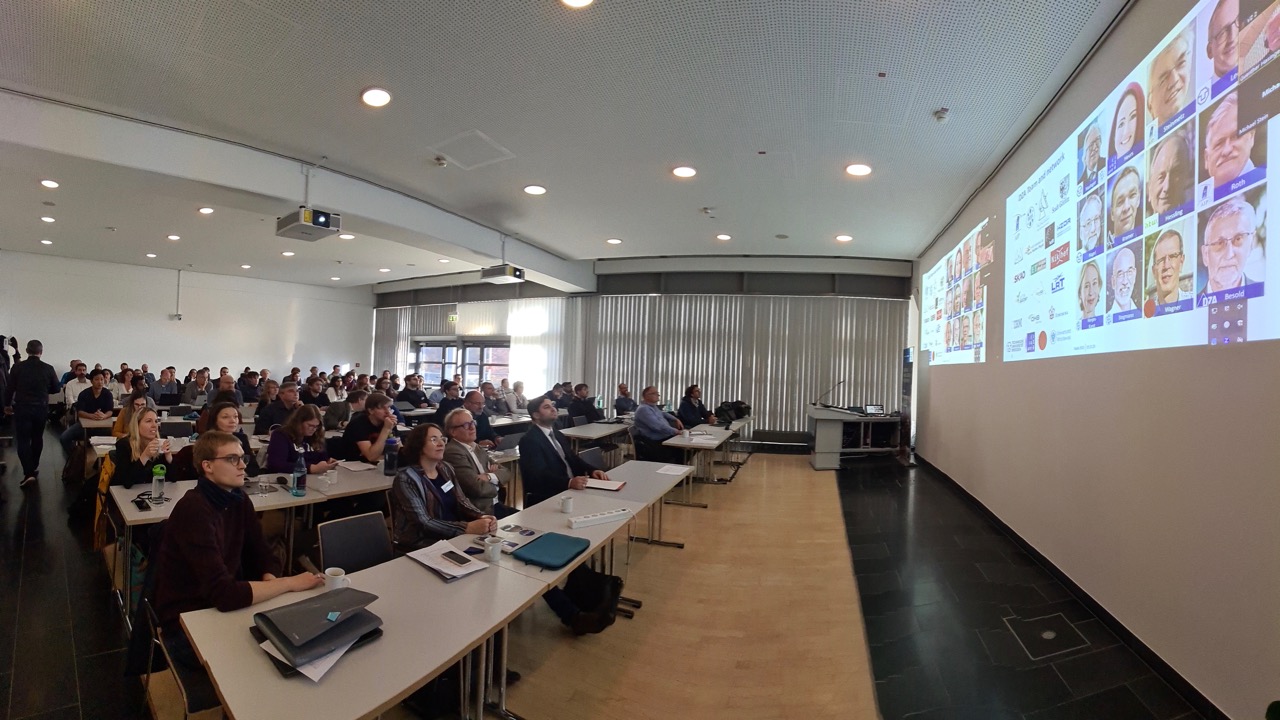
The "Radio2023" conference recently convened at Ruhr University Bochum, offering insights into the progress and challenges within German radio astronomy. One hundred astronomers attended the event which facilitated collaborative discussions focusing on exciting new scientific results as well as innovative strategies for managing complex data sets from telescopes like LOFAR, MeerKAT, SKAO, DSA2000, and ngVLA.
Highlighting the importance of existing telescopes, including LOFAR and MeerKAT, as foundation to future instruments, the conference emphasized the need for novel approaches for data processing and storage.
The conference served as a crucial platform for operators of national data centers to discuss technical requirements and assess the feasibility of upcoming projects.
In summary, "Radio2023" provided a forum for fruitfully discussing current achievements, future opportunities, and challenges within German radio astronomy, ensuring a collaborative and informed approach to advancing the field.
- Details
Plasma Summer School in 2023
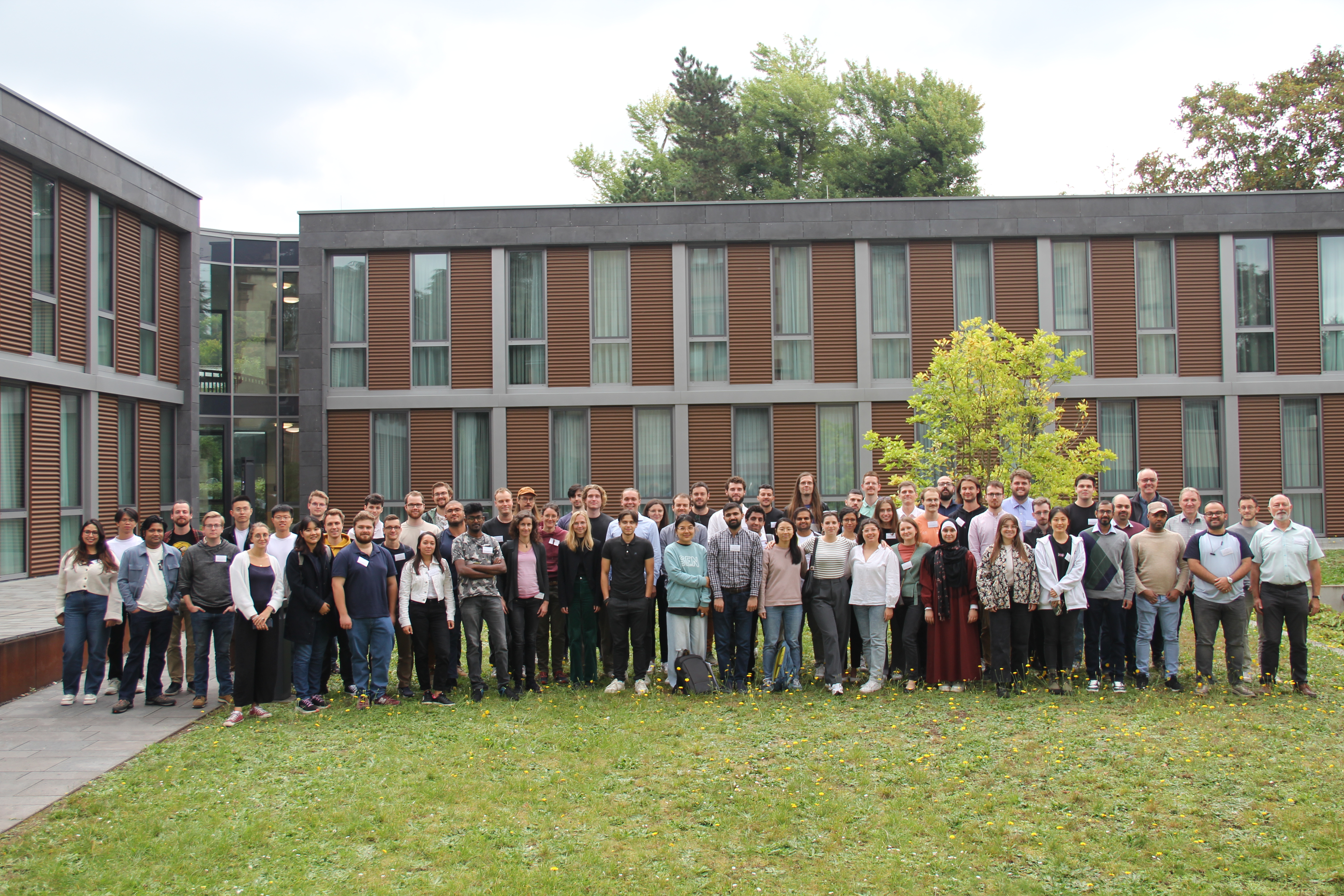
This year, the 26th International Plasma School on "Low Temperature Plasma Physics: Fundamentals and Applications" (September 30-October 5, 2023) and the Master Class "Advanced diagnostics of Atmospheric Pressure Plasmas" (October 5-7, 2023) were held in Bad Honnef, Germany, s.
The school will provide an introduction to the fundamentals of plasma physics and give an overview of the different research areas ranging from modeling of fluids to plasma spectroscopy or high pressure plasmas. An intensive exchange with the lecturers and other students from the research area is possible and desired.
This year, the school continues a long tradition that in the past has included 24 in-person editions and one online edition. After the School was overbooked last year, we now especially hope to welcome all participants we could not accommodate to Bad Honnef this year. We are pleased to be able to host the school again at the Physics Center in Bad Honnef, Germany.
- Details
Heraeus Seminar "Non thermal plasmas for sustainable chemistry"
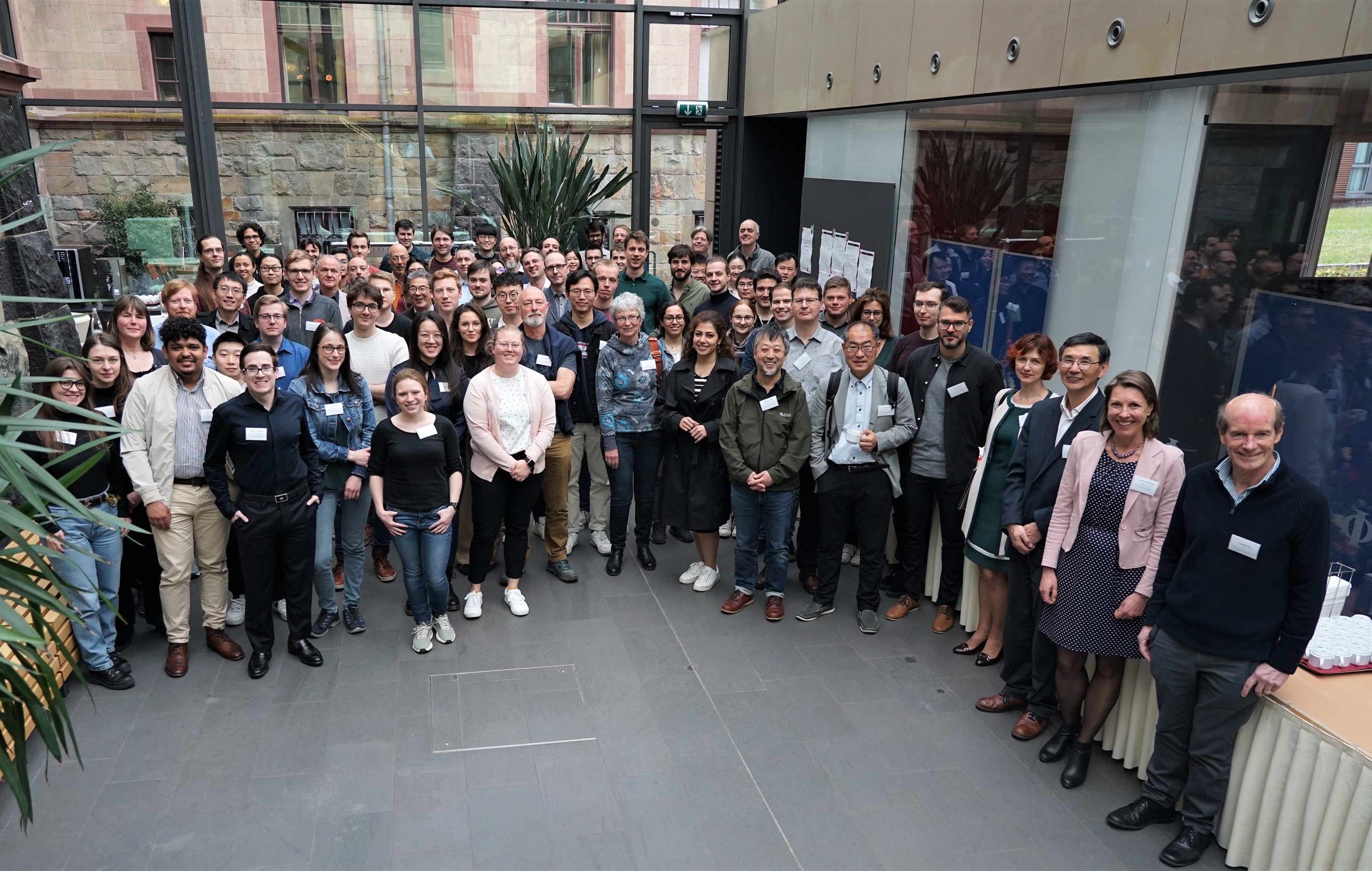
The CRC 1316 was involved in the organization of the 785 WE Heraeus Seminar "Non thermal plasmas for sustainable chemistry" that was held in Bad Honnef 22.4.-27.4.2023. The meeting was organized by Yiguang Yu (Princeton), Tomo Nozaki (Tokyo Tech), Annemie Bogaerts (U Antwerp), and A. von Keudell (RUB, SFB 1316). The SFB 1316 contributed with two invited presentations and 6 posters. The seminar with 80 attendees provided a broad overview on the field and critical discusssions about the challenges and potential of plasma methods for sustainable chemistry.
- Details
Internal exchange in Ulm
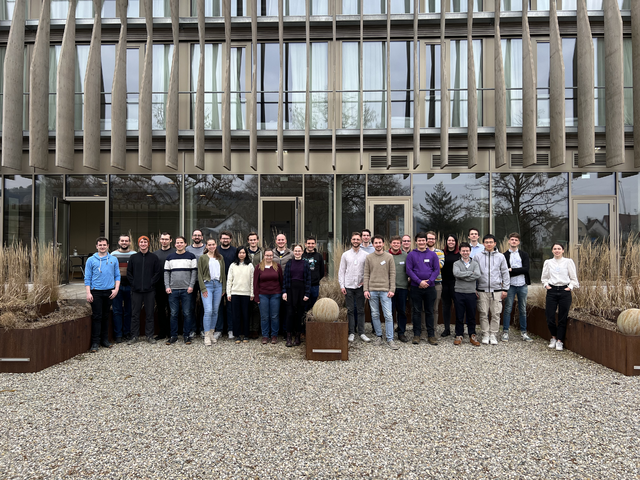
From 1.3. to 3.3. the CRC 316 meeting took place in Ulm. Besides the scientific exchange about transient atmospheric pressure plasma, an electrochemistry workshop was held at the University of Ulm. In addition, experts from other fields were invited.
Thanks to Angela Bayler from centrotherm international AG, Luca Vialetto from Christian-Albrechts-Universität zu Kiel, and Peter Hartmann from Wigner Research Centre for Physics in Budapest.
- Details
General assembly 2023
All members of the RDPCI are cordially invited to attend this year's plenary meeting of the Reserch Department Plasmas with Complex Interactions. It will be held on January 19, 2023 at 2:00 pm in room NB 2/158.
- Details
25th International Plasma School
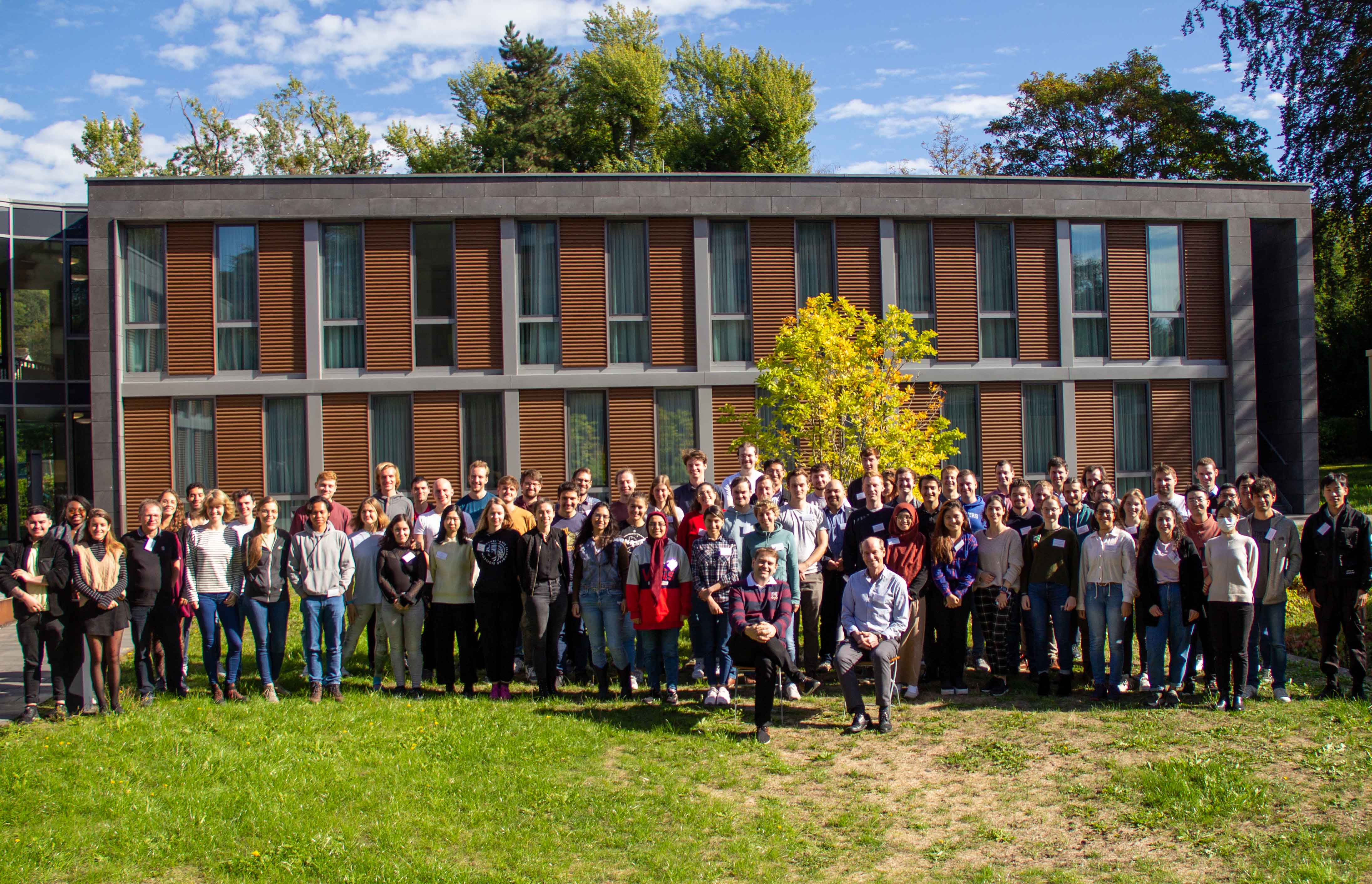
From 01 October to 6 October the Plasma School took place again in Bad Honnef. In the 25th edition, 69 students from 13 countries were able to expand their knowledge of plasma physics and plasma technology at the Physics Center. Subsequently, the Master Class started on October 7, this year on the topic of electric propulsion.
The local organization of the plasma school by the Research Department was supported this year by the international chairmen Jan Benedikt and Holger Kersten from CAU Kiel.
- Details
Successful Plasma Summer School in 2022
The 25th International Plasma School on "Low Temperature Plasma Physics: Basics and Applications" (October 1-5, 2022) and the Master Class "Electric Propulsion" (October 6-8, 2022) in will have been held again in presence in Bad Honnef (Germany).
This year the school follows a long tradition of 23 editions in person and one online edition in the past. Last year we had to suspend the school, but that is now behind us and this year the school will again have been held at the Physics Center in Bad Honnef (Germany). We are confident that we will be able to organize everything as planned, but will also plan generously for room occupancy to be prepared for any changes in the COVID-19 situation.
Thanks to the enthusiastic support of numerous teachers and experts willing to give lectures at the Plasma School, we were again able to put together a promising program.

- Details
CRC 1316 MGK Colloquium
With the start of the second funding period, all PhD students of the projects within the CRC 1316 were invited to participate in the annually MGK colloquium. The colloquium was held online at 7th and 8th of March 2022 and was organized by Maximilian Klich (project A8) and David Schulenberg (project A4).
The colloquium served as an introduction of the many new PhDs joining the CRC 1316 in its second funding period. Without the participation of project leaders it achieved a casual atmosphere for sharing scientific knowledge and interests between the PhD students. Here, they could introduce themselves and their pro- jects as well as give a short summary about their pro- jects achievements and future plans through talks or a poster presentation. Leading the talks regarding the different research topics modelling, DBD/RF discharg- es and plasma in liquids were the invited speakers which generated a well rounded experience.
The new funding period also required a few elections, namely the position of the PhD speaker formerly held by Maximilian Klich, as well as a position in the CRC 1316 gender board held by Lars Schücke (project A7) and Katharina Grosse (project B7). The newly elect- ed PhD speaker is David Schulenberg and Stefanie Bo- genrieder (project B4) as well as Lukas Forschner (project B12) are the new gender board representative.
- Details
General assembly 2021
All members of the RDPCI are cordially invited to attend this year's full meeting of the Reserch Department Plasmas with Complex Interactions. It will be held on Dec. 15, 2021 at 1 p.m. via zoom.